

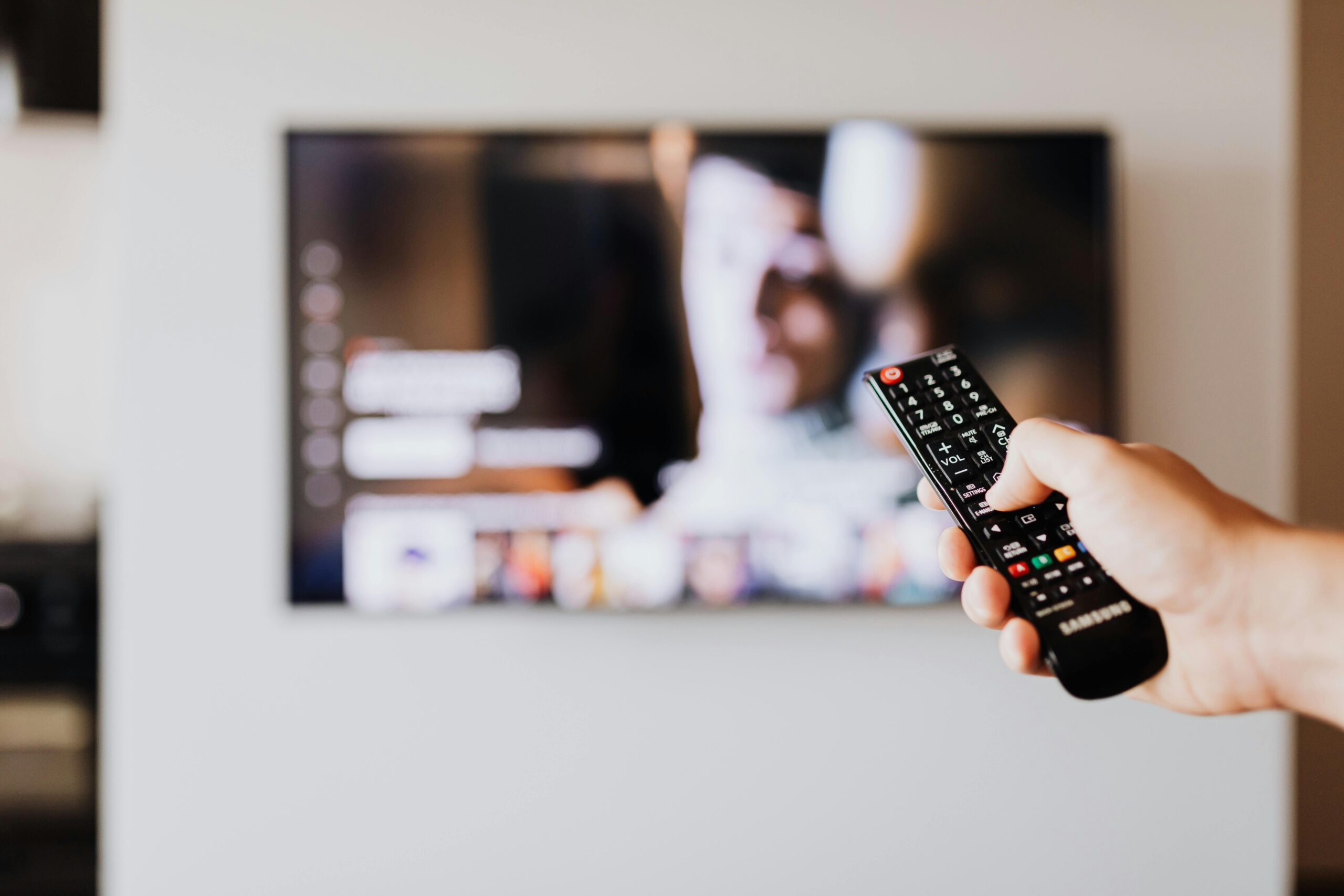
A 100-inch TV is worth buying if you have a very large room, sit 10–14 feet away, and want a cinema-level experience at home. For most homes, though, it’s overkill—expensive, space-hungry, and not always practical.
Let’s break it down in a clear, real-world way so you can decide confidently.
Why people consider a 100-inch TV
A 100-inch TV isn’t about casual viewing. It’s about immersion.
You’re usually buying one for:
- A home theater room
- Sports nights with friends
- Console or PC gaming on a massive screen
- Replacing a projector setup
When done right, it feels like a private cinema.
When a 100-inch TV actually makes sense
You have enough space
This is non-negotiable.
- Ideal viewing distance: 10–14 feet
- Minimum room width: ~12 feet
- Ceiling height: At least 8 feet for proper mounting
If you sit too close, the image feels overwhelming instead of impressive.
You want projector-level size without projector problems
Compared to projectors, a 100-inch TV gives you:
- Better brightness in daylight
- No bulb replacements
- Sharper 4K clarity
- Better contrast and HDR
If you’re tired of dark rooms and calibration issues, a giant TV solves that.
You watch a lot of premium content
Big screens show flaws easily.
A 100-inch TV shines if you mostly watch:
- 4K streaming
- Blu-ray movies
- Live sports in HD/4K
- Modern console games
Low-quality cable or compressed streams won’t look great at this size.
When a 100-inch TV is not worth it
Your room is average-sized
In living rooms or apartments, a 100-inch TV:
- Dominates the space
- Looks awkward on the wall
- Forces uncomfortable seating distances
In many cases, an 85-inch TV looks better simply because it fits.
Your budget is tight
It isn’t just the screen.
Extra costs include:
- Reinforced wall mount or stand
- Professional installation
- Stronger sound system (TV speakers won’t cut it)
- Higher power usage
If the price stretches your budget, it’s not worth it.
You mainly watch regular TV
News, talk shows, and basic cable don’t benefit much from extreme size. Bigger isn’t always better.
Pros & Cons
| Pros | Cons |
|---|---|
| True cinema-like experience | Very expensive |
| Incredible for sports & movies | Needs a large room |
| Better than projectors in bright rooms | Installation can be difficult |
| Ultra-immersive gaming | Reveals low-quality content |
| No bulb or alignment issues | High power consumption |
Real-world examples
Home theater enthusiast
A dedicated media room with blackout curtains and a surround sound system? It is a fantastic choice.
Large family living room
If seating is far back and wall space is wide, it can work—but only if the layout is planned around it.
Apartment or small home
Not recommended. An 75- or 85-inch TV will feel cleaner and more balanced.
100-inch TV vs smaller TVs
- 65–75 inches: Best for most homes
- 85 inches: Sweet spot for big living rooms
- 100 inches: Only for large spaces or home theaters
Bigger screens give diminishing returns if your room can’t support them.
FAQs (People Also Ask)
Is a 100-inch TV too big for a living room?
For most living rooms, yes. Unless you sit at least 10 feet away, it will feel overwhelming.
How far should you sit from a 100-inch TV?
Ideally between 10 and 14 feet for comfortable viewing.
Is a 100-inch TV better than a projector?
For brightness, clarity, and ease of use—yes. For price and sheer size, projectors still win.
Does a 100-inch TV use more electricity?
Yes. Expect higher power consumption compared to smaller TVs.
Is 4K enough for a 100-inch TV?
Yes, but only if you sit at the right distance. At closer ranges, higher-quality content matters more than resolution.
Final verdict: Should you buy a 100-inch TV?
Buy a 100-inch TV if:
- You have a large room or dedicated home theater
- You sit far enough back
- You watch high-quality content
- You want a premium, cinematic experience
Skip it if:
- Your space is limited
- You mostly watch regular TV
- Your budget is tight
For most people, an 85-inch TV offers better value.
It is amazing—but only in the right setup.
[…] systems connect airlines, airports, travel agents, and online booking platforms in one live […]