

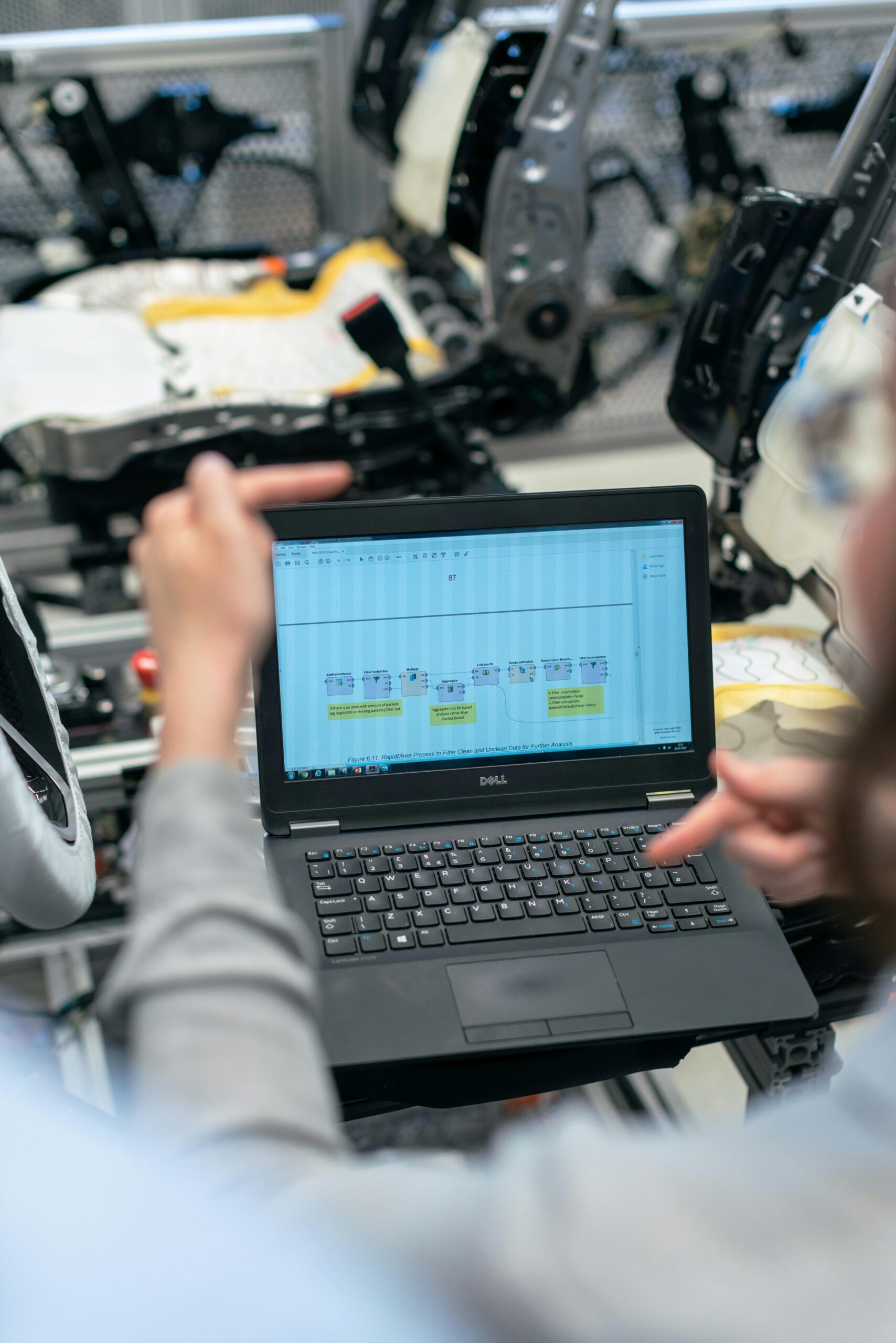
Construction estimating is no longer just spreadsheets and gut instinct.
AI-powered estimating software is changing how general contractors bid, win, and protect profit margins.
Clear answer
AI-powered estimating software helps general contractors create faster, more accurate cost estimates by analyzing historical data, drawings, labor rates, and material prices. It reduces human error, saves time, improves bid accuracy, and increases competitiveness in today’s fast-moving construction market.
What Is AI-Powered Estimating Software?
AI-powered estimating software uses machine learning, data analytics, and automation to calculate project costs. Unlike traditional tools, it learns from past projects and adapts to real-time variables like labor shortages, price volatility, and regional trends.
Key capabilities include:
- Automated quantity takeoffs from drawings
- Predictive cost modeling based on past jobs
- Real-time material and labor pricing adjustments
- Risk and contingency forecasting
Why General Contractors Are Adopting AI Estimating Tools
Faster Bid Turnaround
AI can generate detailed estimates in hours instead of days, allowing contractors to bid on more projects without increasing overhead.
Higher Accuracy & Fewer Cost Overruns
By learning from previous estimates and actual job costs, AI reduces underbidding and surprise expenses.
Competitive Advantage
Contractors using AI often submit more accurate and more competitive bids, improving win rates while protecting margins.
How AI Estimating Software Works (Step-by-Step)
- Input project data (drawings, specs, scope)
- AI scans and extracts quantities automatically
- Historical data is analyzed for labor, materials, and productivity
- Costs are adjusted using current market trends
- Final estimate is generated with risk insights and confidence levels
Pros & Cons of AI-Powered Estimating Software
| Pros | Cons |
|---|---|
| Faster estimating process | Initial setup and training time |
| Higher bid accuracy | Subscription or licensing costs |
| Reduces human error | Requires quality historical data |
| Scales easily for large projects | Not a full replacement for human judgment |
| Improves profit forecasting | Learning curve for smaller teams |
Real-World Examples of AI Estimating in Construction
Commercial General Contractors
Large GC firms use AI to estimate multi-million-dollar projects with thousands of line items, improving accuracy across multiple regions.
Residential Builders
Home builders use AI estimating tools to quickly price custom homes while accounting for local labor and material fluctuations.
Renovation & Remodeling Firms
Smaller contractors rely on AI to produce professional estimates quickly, helping them compete with larger firms.
Common AI-Powered Estimating Software Features to Look For
- AI-driven quantity takeoff
- Integration with accounting and project management tools
- Cloud-based collaboration
- Custom cost libraries
- Predictive analytics and risk scoring
FAQs (People Also Ask)
Is AI estimating software accurate?
Yes, when trained on quality data. AI typically improves accuracy over manual estimating by reducing omissions and calculation errors.
Can AI replace human estimators?
No. AI supports estimators by automating calculations and analysis, but human expertise is still essential for judgment, scope review, and client negotiation.
Is AI estimating software worth it for small contractors?
Yes. Many tools are scalable and help small contractors save time, reduce mistakes, and win more bids without hiring additional staff.
How much does AI-powered estimating software cost?
Costs vary widely, typically ranging from monthly subscriptions to enterprise pricing based on features and users.
Final Verdict
AI-powered estimating software is no longer optional for forward-thinking general contractors. It delivers speed, accuracy, and profitability in an industry where margins are tight and competition is fierce. Contractors who adopt AI early gain a measurable edge—while those who ignore it risk falling behind.