

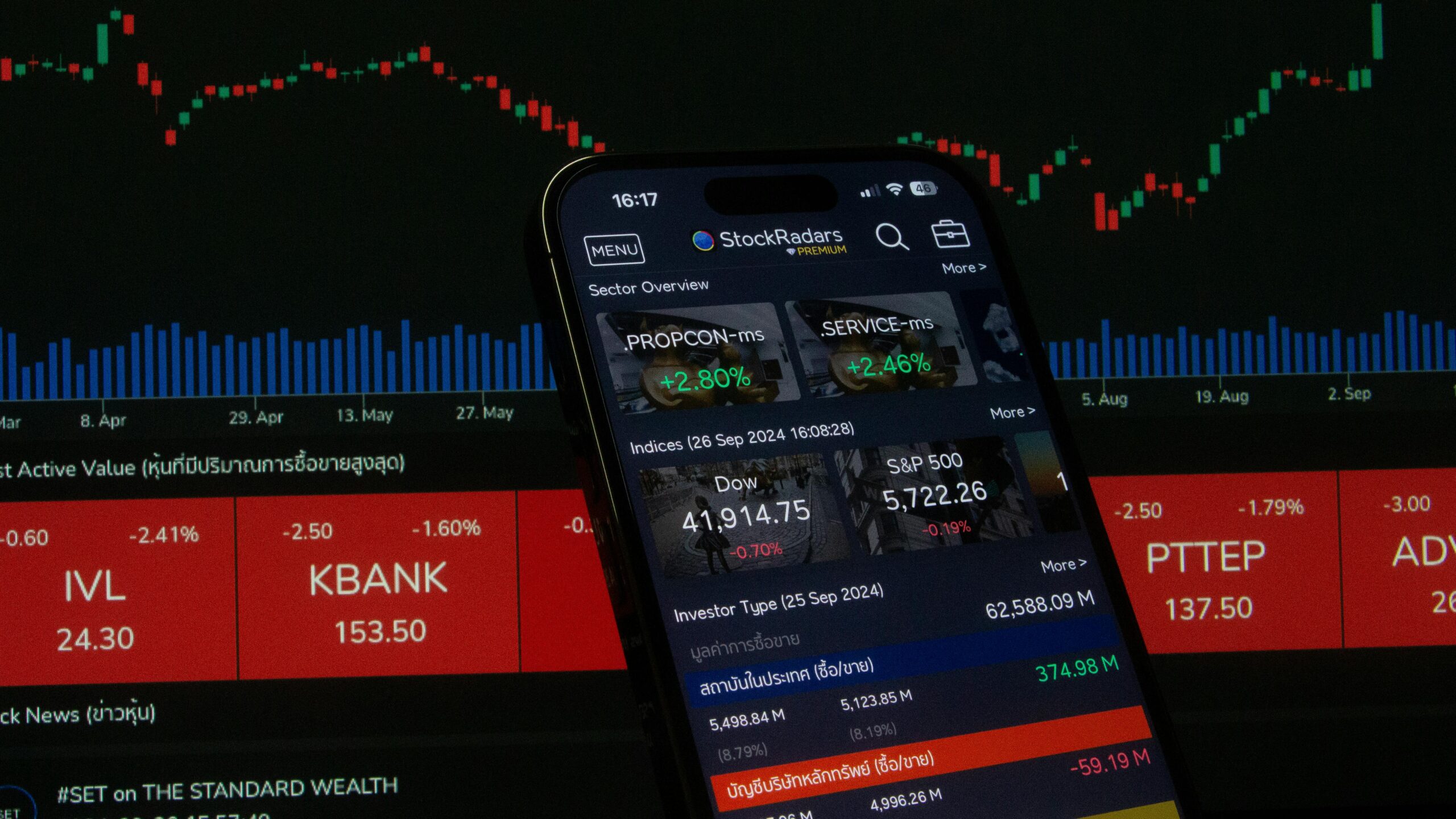
Ever wondered why you can shop, stream, and scroll on weekends—but can’t trade stocks?
It’s a fair question, especially in a world that never seems to sleep The stock market stays closed on weekends to give traders, banks, and systems time to rest, settle trades, reduce risk, and keep markets fair and stable.
Why stock markets close on weekends
1. Markets need time to settle trades
When you buy or sell a stock, the money and shares don’t switch hands instantly. Behind the scenes, banks and clearing systems need time to process everything. Weekends help catch up and make sure records are correct.
2. It reduces chaos and wild price swings
If markets were open 24/7, fewer people would be trading on weekends. Low activity can cause sharp, unfair price jumps. Closing the market keeps prices more stable and trustworthy.
3. Humans still run the system
Even with computers, real people monitor trades, stop fraud, fix errors, and handle emergencies. Weekends give traders, regulators, and support teams time to rest so they can work better during the week.
4. Banks are mostly closed on weekends
Stock trading depends heavily on banks. Since banks don’t fully operate on weekends, keeping markets open would slow payments and create problems.
5. It keeps things fair for everyone
If markets stayed open, only big firms with advanced systems could trade nonstop. Closing on weekends puts everyday investors and large institutions on more equal footing.
Pros & cons of stock markets closing on weekends
| Pros | Cons |
|---|---|
| Keeps prices stable | No chance to trade during breaking weekend news |
| Allows systems to reset | Feels outdated in a 24/7 digital world |
| Gives traders time to rest | Investors must wait until Monday |
| Reduces errors and fraud | Missed short-term opportunities |
Real-world examples
- Major markets: The New York Stock Exchange (NYSE), Nasdaq, London Stock Exchange, and Tokyo Stock Exchange all close on weekends.
- Crypto contrast: Cryptocurrency markets are open 24/7. While that sounds convenient, it often leads to big price swings on weekends due to low trading activity.
- Big news effect: If major news breaks on Saturday, stock prices usually react when markets reopen on Monday—sometimes with sharp jumps or drops.
FAQs (People Also Ask)
Can I trade stocks on weekends?
Not on major stock exchanges. However, you can place orders that will execute when the market opens.
Why can crypto trade on weekends but stocks can’t?
Crypto doesn’t rely on banks or traditional clearing systems, and it isn’t regulated the same way as stock markets.
Are any financial markets open on weekends?
Most traditional markets are closed, but crypto, forex (limited hours), and some futures markets may still trade.
Will stock markets ever open on weekends?
It’s unlikely anytime soon. The current system works well for stability and fairness, even if it feels old-fashioned.
Final verdict
The stock market isn’t open on weekends because it needs downtime to stay safe, stable, and fair. While nonstop trading sounds convenient, closing the market helps prevent mistakes, protects investors, and keeps prices more reliable. Sometimes, a pause is exactly what keeps the system working.