

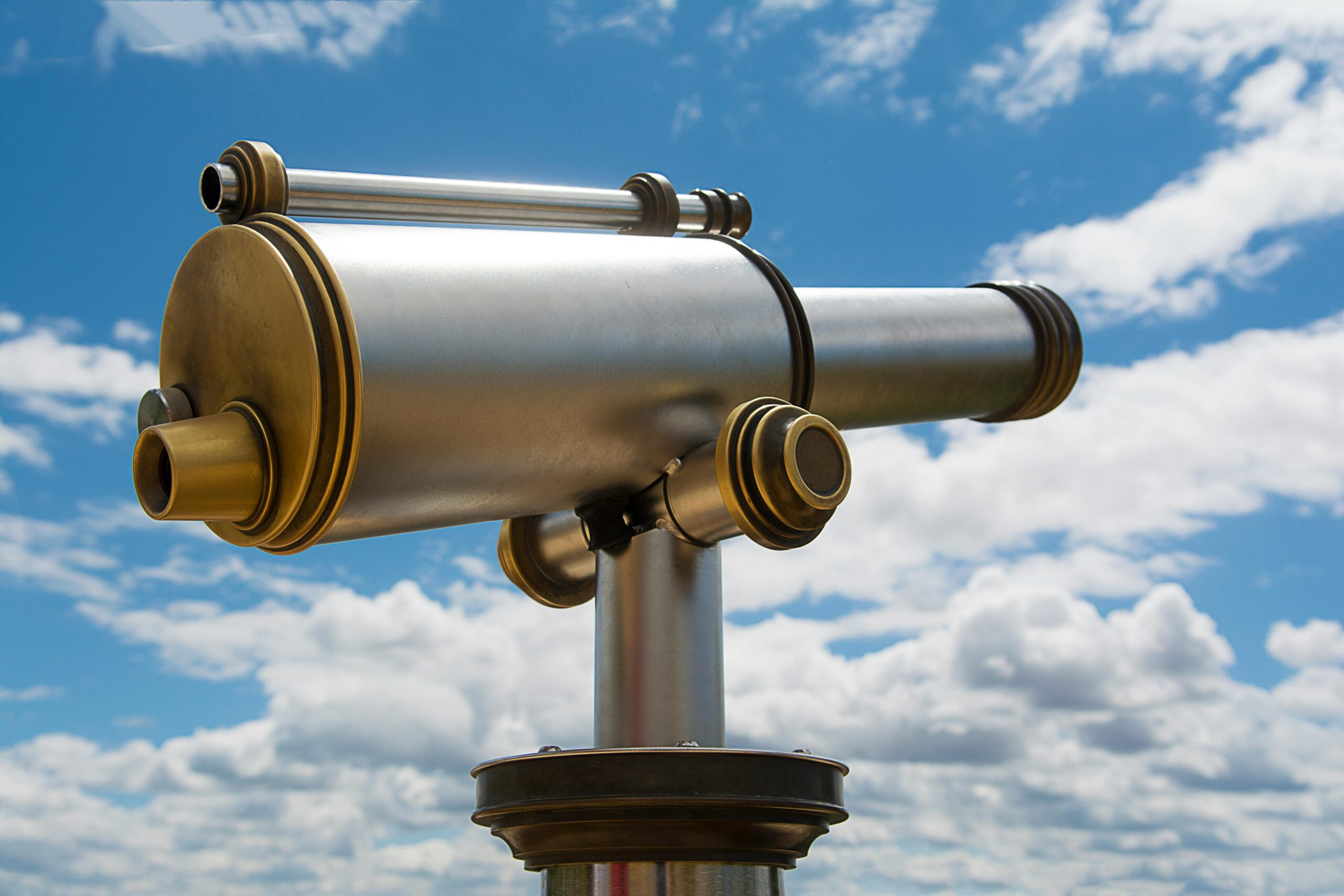
Buying your first telescope can feel confusing fast. Two names pop up everywhere: refractor vs reflector telescope
Here’s the simple truth upfront: neither is “better” for everyone. The better choice depends on what you want to see, how much you want to spend, and how easy you want things to be.
Let’s break it down in plain, friendly terms.
Refractor vs Reflector: The Clear Answer First
- Choose a refractor telescope if you want something easy to use, low maintenance, and great for the Moon and planets.
- Choose a reflector telescope if you want more power for deep space objects like galaxies and nebulae at a lower price.
That’s the short answer. Now let’s explain why.
What Is a Refractor Telescope?
A refractor telescope uses lenses to bend light and bring it to focus.
It’s the classic long tube telescope most people imagine.
Why People Like Refractors
- Very sharp images
- No mirrors to adjust
- Works well right out of the box
What They’re Best For
- Moon details
- Planets like Jupiter and Saturn
- Double stars
- Daytime viewing (birds, landscapes)
Downsides
- Gets expensive as size increases
- Smaller models don’t show faint deep-space objects well
What Is a Reflector Telescope?
A reflector telescope uses mirrors instead of lenses to gather light.
These are often shorter and wider than refractors.
Why People Like Reflectors
- More light for the price
- Bigger mirrors without huge cost
- Excellent for faint objects
What They’re Best For
- Galaxies
- Nebulae
- Star clusters
- Deep space viewing
Downsides
- Needs mirror alignment sometimes
- Tube can be bulky
- Takes a little learning at first
Refractor vs Reflector Telescope : Side-by-Side Comparison
| Feature | Refractor Telescope | Reflector Telescope |
|---|---|---|
| Image sharpness | Very sharp | Sharp but depends on alignment |
| Ease of use | Very easy | Moderate |
| Maintenance | Almost none | Needs occasional adjustment |
| Price | Higher for large sizes | Cheaper for large sizes |
| Best for | Moon & planets | Deep space objects |
| Portability | Good (small sizes) | Bulky but powerful |
Real-World Examples
Beginner Stargazer
Sarah wants to look at the Moon with her kids and doesn’t want to fix or adjust anything.
A refractor telescope is perfect for her.
Space Lover on a Budget
Ali dreams of seeing galaxies and nebulae but doesn’t want to spend a lot.
A reflector telescope gives him more power for less money.
Backyard Observer
John lives in a city and mainly observes from his backyard.
A refractor handles light pollution better for planets.
FAQs (People Also Ask)
Which telescope is better for beginners?
Refractors are usually better for beginners because they are simple, sturdy, and easy to use.
Are reflector telescopes good for planets?
Yes, but they need good alignment. Refractors give cleaner planet views with less effort.
Which telescope is better for deep space?
Reflector telescopes are better because they gather more light for the price.
Do reflector telescopes need maintenance?
Yes, but not often. You may need to adjust the mirrors once in a while.
Are refractor telescopes worth the money?
Yes, if you want sharp views and low maintenance, especially for planets.
Final Verdict: Which One Should You Choose?
There’s no single winner here.
- Go with a refractor if you want ease, sharp views, and no hassle.
- Go with a reflector if you want power, deep space views, and better value for money.
Think about how you’ll use the telescope, not just what sounds better.
Once you match the telescope to your needs, you’ll enjoy the night sky a lot more. 🌙✨