

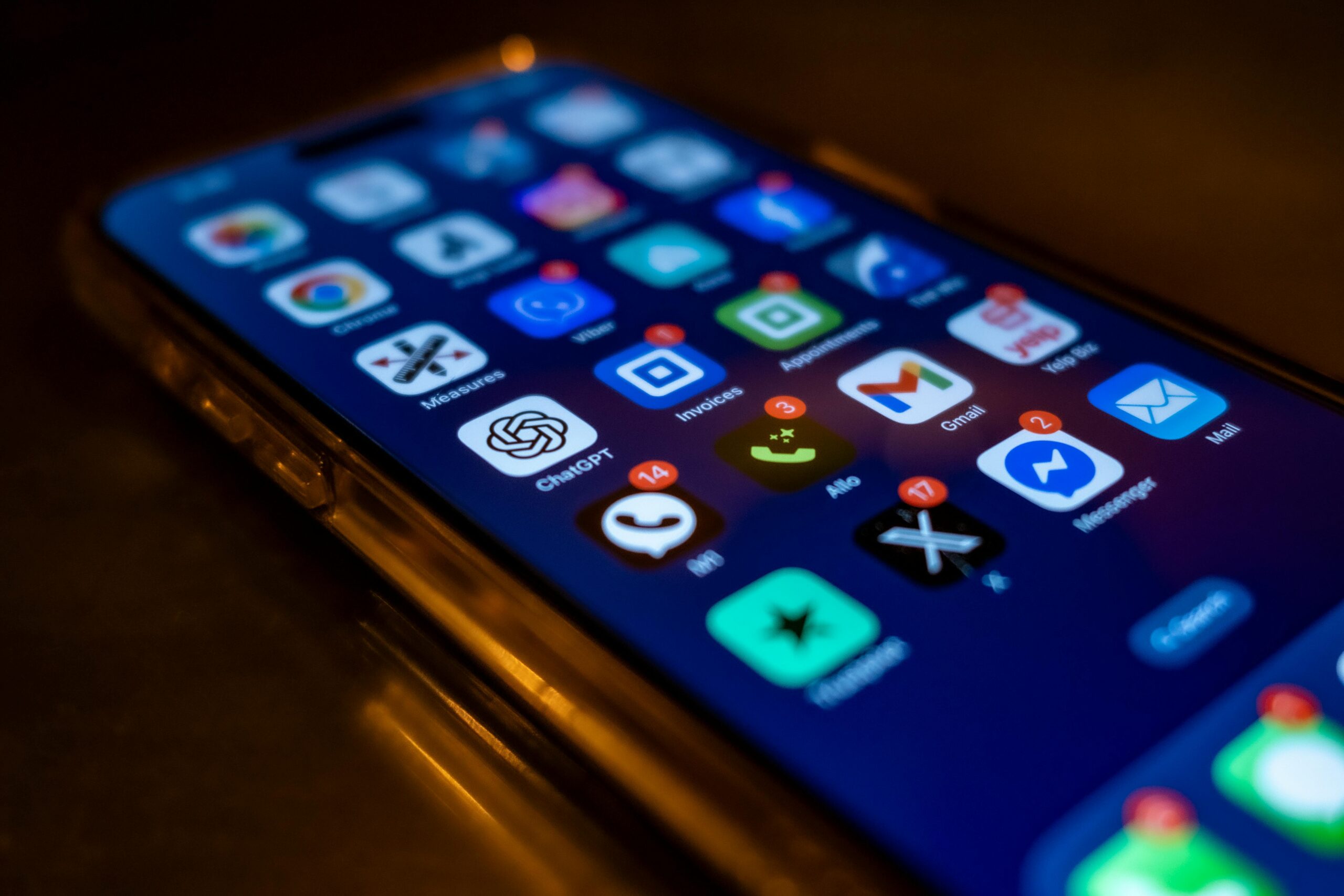
Think about the last thing you opened on your phone today. Chances are, it was an app — not a website. Your business needs its own mobile app because it helps you stay closer to your customers, increase repeat sales, build stronger trust, and grow faster in a mobile-first world. A website is good, but an app keeps your brand right in your customer’s pocket.
Your customers live on their phones
People spend hours every day on their phones, mostly inside apps. Social media, shopping, banking, food delivery — all apps.
If your business only has a website, you’re asking customers to remember you, search for you, and visit you again.
With an app, they just tap once.
That small difference matters more than you think.
A mobile app builds stronger customer loyalty
When someone installs your app, it’s a sign of trust. They are inviting your brand onto their phone.
Apps help you:
- Stay visible with your app icon
- Send useful push notifications
- Offer app-only deals or rewards
Over time, customers feel more connected to your business, not just aware of it.
Faster and smoother than a website
Mobile apps are simply easier to use than mobile websites.
They:
- Load faster
- Save user preferences
- Work better with phone features like camera, location, and payments
A smoother experience means fewer drop-offs and more completed actions, like orders or bookings.
Better customer data, better decisions
Apps help you understand your customers better.
You can see:
- What they browse
- What they buy
- How often they return
This data helps you improve your offers, pricing, and marketing — without guessing.
Push notifications bring customers back
Emails get ignored. Social posts get missed.
Push notifications get seen.
You can notify users about:
- New products
- Special discounts
- Order updates
- Important announcements
Used the right way, notifications bring people back without being annoying.
Pros & Cons of Having a Mobile App
| Pros | Cons |
|---|---|
| Stronger customer loyalty | Initial development cost |
| Faster user experience | Needs regular updates |
| Direct communication via notifications | Requires basic maintenance |
| Higher repeat sales | Not ideal for very small businesses |
| Brand stays visible on phone | Needs a clear purpose |
Real-world examples
- Local restaurant: A food app with easy re-orders and deals increases repeat customers.
- Online store: App users shop more often because checkout is faster.
- Service business: Booking apps reduce calls and save time for both sides.
Big brands use apps, but small and medium businesses benefit the most from them.
FAQs (People Also Ask)
Do small businesses really need a mobile app?
Yes, if you have repeat customers. An app helps you keep them coming back instead of losing them to competitors.
Is a mobile app better than a website?
They work best together. A website brings new visitors. An app keeps existing customers loyal.
Are mobile apps expensive to build?
Costs depend on features. Simple apps are affordable and still very effective.
How long does it take to build a mobile app?
A basic business app can be ready in a few weeks. More complex apps take longer.
What type of businesses benefit most from apps?
Retail, food, services, education, fitness, and any business with repeat users.
Final verdict
If you want more loyal customers, better engagement, and steady growth, a mobile app is no longer optional — it’s a smart move.