

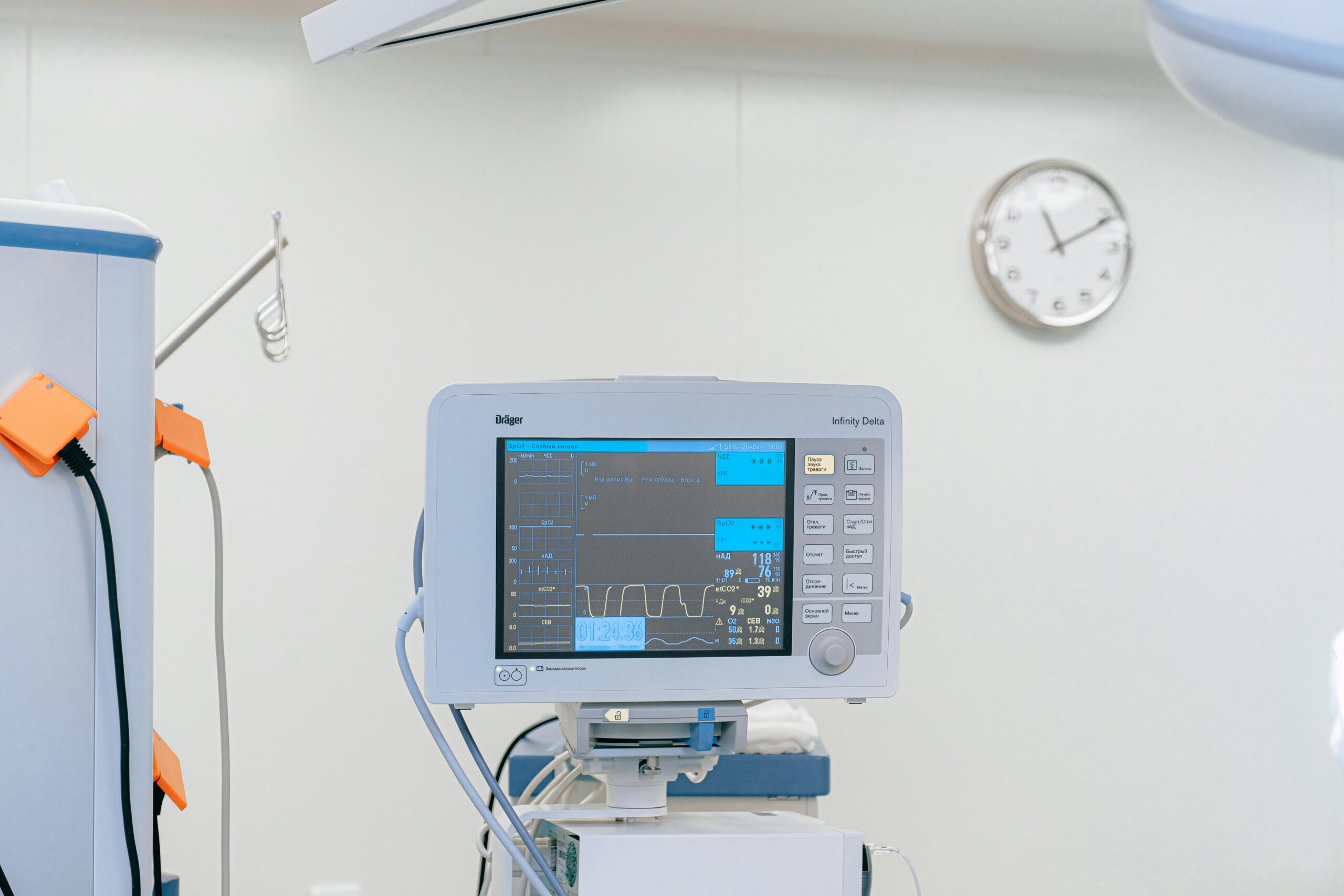
A few years ago, serious medical care meant hospital visits and long waiting rooms. Today, a lot of that care is quietly moving into our homes—and it’s only getting better. Future healthcare technology is making at-home care safer, smarter, and more reliable. With tools like remote monitoring, smart devices, AI support, and virtual doctor visits, people can now get quality care at home without losing comfort or control.
What Is At-Home Healthcare Technology?
At-home healthcare technology means medical tools and digital systems that help people manage health from their own homes. These tools track vital signs, remind patients to take medicine, connect them to doctors, and even spot health issues early.
This isn’t about replacing doctors. It’s about helping doctors care for patients without needing them to be in a hospital all the time.
How Future Technology Is Improving At-Home Care
Remote Health Monitoring
Wearable devices and home sensors can track heart rate, blood pressure, blood sugar, and oxygen levels all day. The data is shared with doctors in real time.
Why it matters:
Doctors can spot problems early and act before things get serious.
Virtual Doctor Visits
Video calls and health apps make it easy to talk to doctors from home. No travel. No long waits.
Why it matters:
This is especially helpful for elderly people, busy families, and those living far from hospitals.
Smart Medical Devices
Future devices are getting smaller, smarter, and easier to use. Think smart inhalers, digital thermometers, and connected glucose meters.
Why it matters:
Patients don’t need medical training to use them correctly.
AI and Health Alerts
Artificial intelligence looks at health data and sends alerts if something seems wrong. For example, it can warn about irregular heartbeats or rising blood sugar.
Why it matters:
It adds an extra layer of safety, especially for people with chronic illness.
Personalized Care Plans
Technology can adjust care plans based on daily health data. Medication reminders, diet tips, and exercise plans are tailored to each person.
Why it matters:
Care feels personal, not one-size-fits-all.
Pros and Cons of Future At-Home Healthcare
| Pros | Cons |
|---|---|
| Comfort of staying at home | Needs internet and devices |
| Early problem detection | Not all conditions can be treated at home |
| Fewer hospital visits | Some people struggle with technology |
| Saves time and travel cost | Data privacy concerns |
| Better daily monitoring | Setup cost for devices |
Real-World Examples
Example 1: Heart Patients
Many heart patients now use wearable monitors at home. If heart rate changes suddenly, doctors get alerts and contact the patient immediately.
Example 2: Diabetes Care
Smart glucose meters send readings to mobile apps. Patients and doctors can see trends and adjust diet or medicine quickly.
Example 3: Elderly Care
Motion sensors and fall detectors help caregivers know if an elderly person needs help—even if they live alone.
FAQs (People Also Ask)
Is at-home healthcare as safe as hospital care?
For many conditions, yes. With proper devices and doctor support, at-home care can be very safe.
Can technology replace doctors?
No. Technology supports doctors. It helps them monitor patients better and faster.
Who benefits most from at-home healthcare?
Elderly people, chronic illness patients, busy families, and people in remote areas benefit the most.
Is at-home healthcare expensive?
Some devices cost money, but overall it often saves costs by reducing hospital visits and travel.
Is health data safe?
Most modern systems use strong security, but patients should always use trusted platforms and follow safety advice.
Final Verdict
Future healthcare technology is changing how care is delivered—and at-home care is one of the biggest winners. It brings comfort, early detection, and personal care together in a simple way. While it can’t replace hospitals completely, it makes everyday healthcare easier, safer, and more human.