

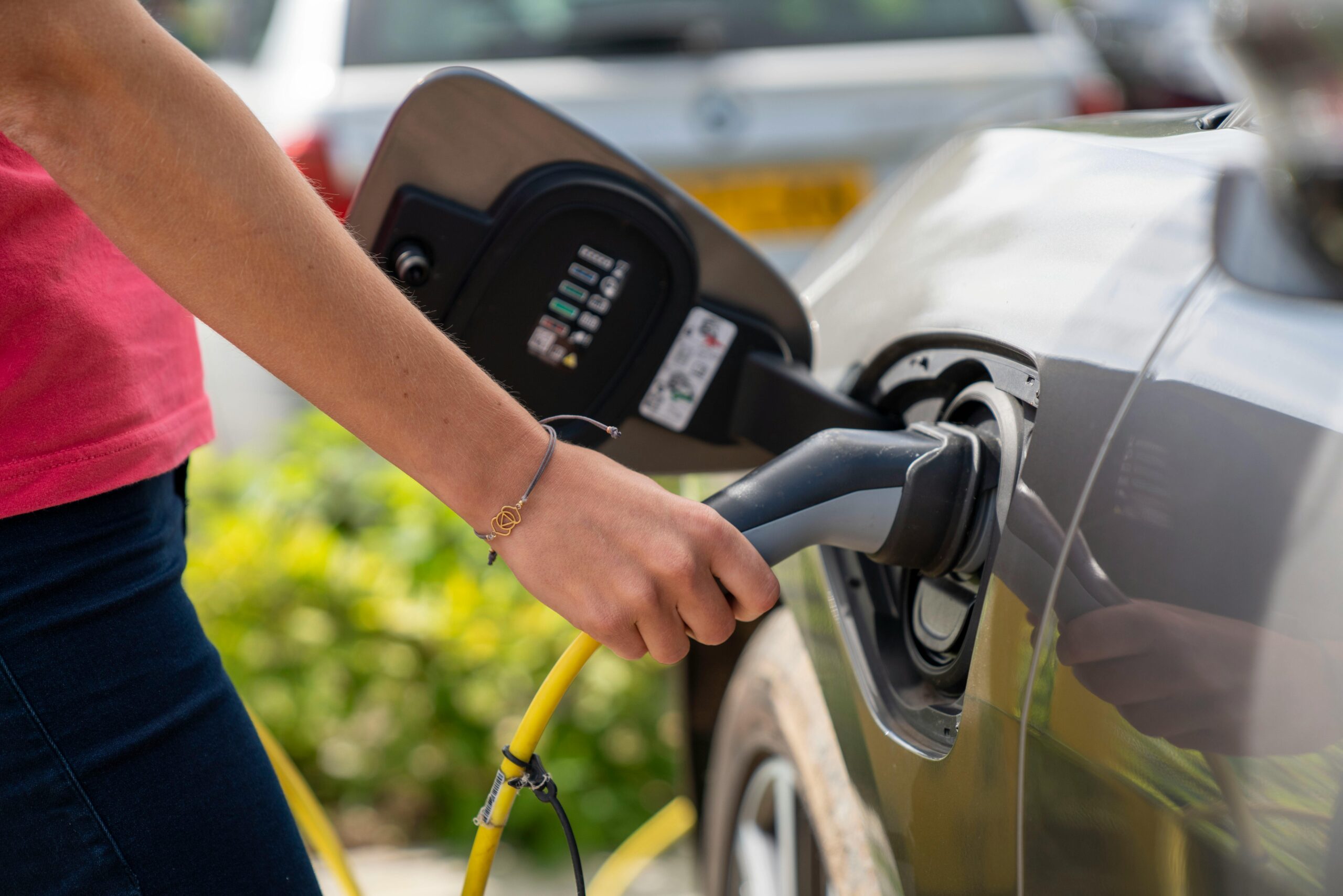
Italy’s electric vehicle (EV) market is growing fast. More drivers are switching from petrol and diesel to electric. As demand rises, public charging networks have become a key part of the country’s energy and transport system.
Recently, Italy’s antitrust authority opened an investigation into A2A, one of the country’s largest energy and utility companies. The case focuses on how A2A manages and operates its EV charging network.
This investigation has attracted attention across Europe. It raises important questions about competition, pricing, market dominance, and the future of electric mobility in Italy. In this detailed guide, we break down what the investigation means, why it matters, and how it could impact EV drivers, energy companies, and the broader green transition.
Understanding Italy’s Antitrust Authority
Italy’s competition watchdog is the Italian Competition Authority, commonly known as AGCM. Its job is to ensure fair competition in markets across the country.
The authority investigates:
- Abuse of dominant market position
- Anti-competitive agreements
- Unfair commercial practices
- Market distortions that harm consumers
When AGCM launches an investigation, it usually means there are concerns that a company may be limiting competition or creating unfair advantages.
In this case, the focus is on A2A’s role in Italy’s growing EV charging sector.
Who Is A2A?
A2A is one of Italy’s largest multi-utility companies. It operates in electricity, gas, waste management, district heating, and renewable energy.
The company has also invested heavily in electric mobility infrastructure. Through its charging network, A2A provides:
- Public EV charging stations
- Fast and ultra-fast chargers
- Charging management services
- Digital apps for EV drivers
A2A’s expansion aligns with Italy’s national decarbonization goals and European Union climate targets. However, rapid growth in strategic infrastructure sectors can sometimes raise competition concerns.
Why EV Charging Networks Matter
EV charging networks are the backbone of electric mobility. Without reliable and accessible charging stations, EV adoption slows down.
Italy, like many EU countries, is pushing toward lower emissions. Under the European Green Deal framework, countries are expected to expand public charging infrastructure quickly.
The EV charging market includes:
- Energy providers
- Infrastructure operators
- Municipal partnerships
- Private charging networks
- Technology and software platforms
When one company becomes too dominant, it can influence pricing, access, and partnerships. That is where antitrust regulators step in.
What Is the Investigation About?
While full legal details are still developing, the investigation reportedly focuses on whether A2A may have:
- Restricted competition in certain regions
- Used exclusive agreements
- Leveraged its broader energy dominance to strengthen its EV charging network
- Created barriers for smaller competitors
Antitrust investigations typically examine contracts, pricing strategies, and access to infrastructure. Authorities may review whether competitors have fair opportunities to operate charging stations in the same areas.
If regulators believe competition is being limited, they can impose fines or require structural changes.
Market Dominance vs. Market Leadership
It is important to understand the difference between success and anti-competitive behavior.
Being a market leader is not illegal. A company can grow large by investing early and offering strong services. That is normal in competitive markets.
Problems arise if a dominant player:
- Blocks rivals from entering the market
- Uses unfair pricing strategies
- Forces exclusivity agreements
- Bundles services in ways that limit consumer choice
The investigation will likely determine whether A2A’s practices reflect healthy competition or unfair market control.
Italy’s Growing EV Market
Italy has seen steady growth in EV registrations over recent years. Although it still trails some northern European countries, the shift is clear.
Key drivers of EV growth include:
- Government incentives
- EU climate commitments
- Rising fuel costs
- Expanding charging infrastructure
Public charging infrastructure is especially important in urban areas where residents may not have private garages. Companies like A2A play a major role in building this network.
Because EV charging is considered critical infrastructure, regulators closely monitor how the market evolves.
Potential Concerns in Charging Networks
In EV infrastructure markets, common competition concerns include:
1. Exclusive Municipal Contracts
If a company secures long-term exclusive agreements with cities, competitors may struggle to enter the market.
2. Bundled Energy Services
Large utilities can bundle EV charging with electricity supply contracts. Smaller competitors may not have the same reach.
3. Interoperability Barriers
If charging networks limit access to third-party apps or roaming agreements, it reduces flexibility for EV drivers.
4. Pricing Transparency
Complex or opaque pricing models can disadvantage consumers and competitors.
The AGCM investigation will likely review whether any of these issues apply to A2A’s operations.
What Happens During an Antitrust Investigation?
An antitrust investigation usually follows several stages:
- Preliminary assessment – Regulators review complaints or market signals.
- Formal investigation launch – Authorities publicly announce proceedings.
- Evidence collection – Documents, contracts, and internal communications are examined.
- Company response – The company has the opportunity to defend its practices.
- Final ruling – Authorities may impose fines, corrective measures, or dismiss the case.
These investigations can take months or even years.
If violations are confirmed, penalties can include significant financial fines and required structural changes.
How This Affects EV Drivers
For EV owners in Italy, the investigation may not bring immediate changes. Charging stations will continue operating as usual during the review.
However, in the long term, outcomes could impact:
- Pricing transparency
- Charging availability
- Competition between providers
- Innovation in charging technology
More competition generally leads to better prices and improved services.
If regulators find no wrongdoing, it may strengthen confidence in A2A’s operations and reinforce its leadership role.
Broader Impact on Italy’s Energy Sector
This case goes beyond EV charging. It reflects a wider shift in the energy market.
Traditional utilities are transforming into clean energy providers. Companies like A2A are moving from fossil-based systems toward renewable power and electric mobility.
Regulators must balance two priorities:
- Encouraging investment in green infrastructure
- Protecting competitive markets
If enforcement becomes too strict, it could discourage rapid infrastructure deployment. If it is too lenient, it could lead to monopolistic behavior.
Finding the right balance is crucial.
European Context: A Common Trend
Italy is not alone in examining EV charging competition. Across Europe, regulators are watching the market closely.
The European Commission has emphasized the importance of open access, interoperability, and fair competition in charging networks.
As EV adoption increases across the European Union, competition cases in infrastructure sectors may become more common.
Italy’s decision to investigate A2A could influence how other regulators approach similar cases.
The Importance of Fair Competition in Green Transition
The green transition depends on trust. Consumers must trust that:
- Prices are fair
- Access is open
- Innovation continues
- Infrastructure is reliable
If one company controls too much of the charging network, smaller innovators may struggle to compete. That could slow technological progress.
On the other hand, large companies often have the capital required to scale infrastructure quickly. Without their investment, EV growth could stall.
This tension is at the heart of many modern antitrust cases in energy markets.
Possible Outcomes of the Investigation
There are several potential scenarios:
1. No Violation Found
AGCM may conclude that A2A acted within the law. The case would close without penalties.
2. Behavioral Remedies
Regulators might require changes in contract terms, pricing models, or access rules.
3. Structural Remedies
In rare cases, authorities can require asset divestments or separation of business units.
4. Financial Penalties
If abuse of dominance is confirmed, fines can be significant.
The outcome will likely shape Italy’s EV infrastructure landscape for years.
What Businesses Should Learn
For energy companies and infrastructure providers, this case sends a clear message:
- Rapid growth attracts regulatory scrutiny.
- Transparent pricing builds trust.
- Open access policies reduce legal risk.
- Fair competition strengthens long-term market stability.
Companies investing in EV networks should ensure compliance frameworks are strong and well documented.
The Future of EV Charging in Italy
Despite regulatory scrutiny, the future of EV charging in Italy remains promising.
Government targets call for significant expansion of charging stations by 2030. Urban centers and highway corridors will need dense, reliable networks.
Private-public partnerships will likely continue to play a major role. Competition between providers can drive innovation in:
- Ultra-fast charging
- Smart grid integration
- Renewable energy integration
- Vehicle-to-grid (V2G) technology
The investigation into A2A may ultimately strengthen the market by clarifying rules and expectations.
Final Thoughts
The investigation by the Italian Competition Authority into A2A highlights a critical moment in Italy’s clean energy transition.
Electric mobility is no longer a niche market. It is becoming a central pillar of Europe’s climate strategy. With growth comes responsibility — both for companies and regulators.
This case is not just about one company. It is about how Italy structures competition in essential green infrastructure.
For EV drivers, businesses, and policymakers, the outcome will provide valuable clarity. It will shape pricing, market access, and innovation in the years ahead.
As Italy continues building its electric future, maintaining fair competition will remain just as important as expanding the charging network itself.