

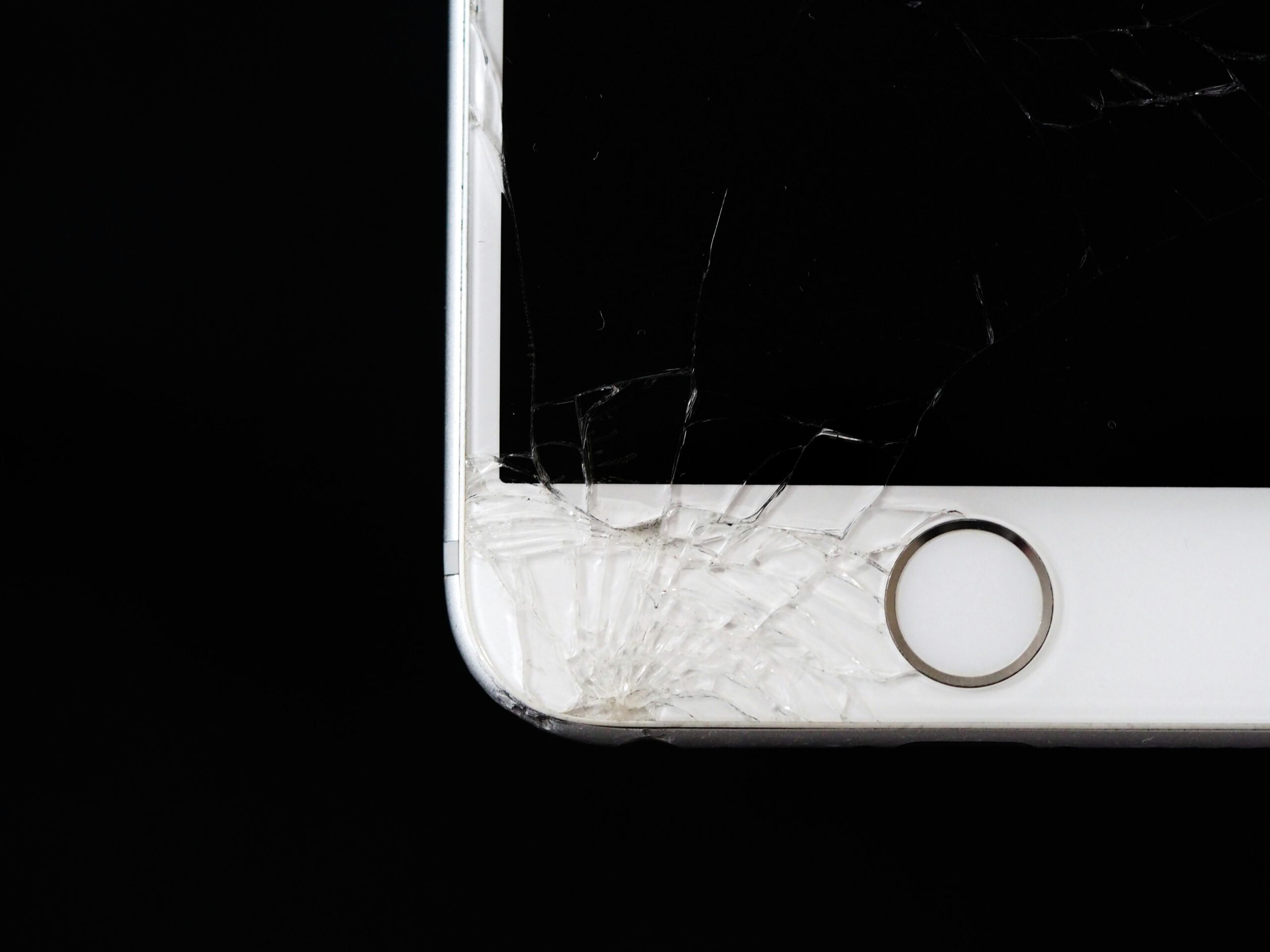
Choosing the right tempered glass screen protector can feel confusing. There are many types, features, and price ranges. Some claim to be “9H hardness,” others promise privacy or anti-glare. But what really matters?
In this guide, you’ll learn exactly how to pick the best tempered glass screen protector for your phone. No fluff. Just clear, practical advice you can use right away.
Why a Tempered Glass Screen Protector Matters
Your phone’s display is the most used and most vulnerable part. Even modern screens can crack or scratch from drops, keys, or rough surfaces.
A tempered glass screen protector adds a strong layer of protection without affecting touch or display quality.
Key Benefits:
- Protects against scratches and minor drops
- Reduces the risk of screen cracks
- Keeps your screen looking new
- Easy to replace compared to repairing a screen
If you’ve ever paid for a screen repair, you already know a protector is worth it.
Types of Tempered Glass Screen Protectors
Not all tempered glass protectors are the same. Each type serves a different purpose.
1. Standard Clear Tempered Glass
This is the most common option.
Best for: Everyday use
Features:
- High transparency
- Smooth touch response
- Basic protection
If you just want simple protection without extra features, this is a solid choice.
2. Privacy Tempered Glass
Privacy protectors limit the viewing angle of your screen.
Best for: People who use their phone in public places
Features:
- Screen is only visible from the front
- Side viewers see a darkened screen
- Slightly reduces brightness
This is useful if you want to keep messages or banking apps private.
3. Anti-Glare (Matte) Tempered Glass
These reduce reflections from sunlight or bright lights.
Best for: Outdoor use or bright environments
Features:
- Reduces glare
- Minimizes fingerprints
- Slightly lowers sharpness
If you use your phone a lot outside, this can make a big difference.
4. Blue Light Filter Tempered Glass
These protect your eyes by filtering blue light.
Best for: Heavy screen users, especially at night
Features:
- Reduces eye strain
- Warmer screen tone
- Slight color shift
This type is helpful if you spend hours on your phone daily.
5. Full Coverage (Edge-to-Edge) Glass
These cover the entire front of your phone, including curved edges.
Best for: Modern smartphones with edge displays
Features:
- Better coverage
- Cleaner look
- Case-friendly options available
Make sure it matches your phone model exactly.
Key Features You Should Look For
Now let’s talk about what actually matters when choosing a protector.
1. Hardness Rating (9H)
You’ll often see “9H hardness” in product descriptions.
This refers to scratch resistance, not impact resistance.
What it means:
- Resists scratches from keys, coins, and daily use
- Doesn’t mean it’s unbreakable
Most good protectors have 9H hardness, so treat this as a standard feature.
2. Thickness
Thickness affects both protection and feel.
Common options:
- 0.3mm → Balanced protection and sensitivity
- 0.5mm → More durable but slightly thicker
Recommendation:
Go with 0.3mm for most users. It feels more natural.
3. Oleophobic Coating
This coating reduces fingerprints and smudges.
Why it matters:
- Keeps your screen clean
- Makes it easier to wipe
Without it, your screen will look dirty quickly.
4. Touch Sensitivity
A good protector should feel like your original screen.
Look for:
- High responsiveness
- No lag or missed taps
Cheap protectors often fail here.
5. Case Compatibility
Some protectors don’t work well with phone cases.
Tip:
- Choose “case-friendly” protectors
- Slightly smaller edges prevent lifting
This avoids annoying peeling issues.
6. Installation Method
Installation can make or break your experience.
Better options include:
- Alignment frames
- Bubble-free adhesive
- Dust removal kits
These make the process much easier, even for beginners.
Should You Choose Cheap or Premium?
Price often reflects quality—but not always.
Cheap Protectors:
- Basic protection
- May lack coating or precision
- Can reduce touch quality
Premium Protectors:
- Better fit and finish
- Stronger adhesive
- Extra features (privacy, anti-glare, etc.)
Smart tip:
You don’t need the most expensive option. Choose a mid-range protector from a reliable brand.
How to Pick the Right One for Your Needs
Let’s make this simple.
Choose Based on Your Usage:
- Casual user: Standard clear tempered glass
- Frequent traveler or commuter: Privacy glass
- Outdoor use: Anti-glare glass
- Heavy screen time: Blue light filter
- Curved display phone: Full coverage glass
Think about how you use your phone daily. That’s the best guide.
Common Mistakes to Avoid
Many people buy the wrong protector because of small mistakes.
1. Ignoring Phone Model Compatibility
Always match the protector to your exact phone model.
2. Falling for Marketing Hype
Terms like “military-grade” don’t always mean better protection.
3. Choosing Ultra-Cheap Options
Very cheap protectors often:
- Break easily
- Have poor adhesive
- Feel rough to touch
4. Poor Installation
Even the best protector fails if installed incorrectly.
Tips for Perfect Installation
Follow these steps for a smooth result:
- Clean your screen thoroughly
- Use a dust sticker to remove particles
- Align carefully before applying
- Press gently from the center outward
Take your time. Rushing leads to bubbles and dust spots.
How Long Does a Tempered Glass Protector Last?
Most protectors last 3 to 6 months, depending on use.
Replace it if:
- It has cracks
- Touch sensitivity drops
- Edges start lifting
Remember, it’s meant to take damage so your screen doesn’t.
Is Tempered Glass Better Than Plastic Film?
Yes, in most cases.
Tempered Glass:
- Stronger
- Better feel
- More durable
Plastic Film:
- Thinner
- Less protection
- Cheaper
If you want real protection, tempered glass is the better choice.
Final Thoughts
Choosing the right tempered glass screen protector doesn’t have to be complicated.
Focus on:
- Your usage needs
- Key features like thickness and coating
- Compatibility with your phone
For most people, a standard 0.3mm 9H tempered glass with oleophobic coating and case-friendly design is the best choice.
If you want extra features like privacy or anti-glare, choose based on your lifestyle.
At the end of the day, the best screen protector is the one that fits your phone perfectly and protects it without affecting your experience.
Quick Summary
- Pick standard glass for everyday use
- Choose privacy glass for public settings
- Use anti-glare for outdoor visibility
- Look for 9H hardness and 0.3mm thickness
- Always ensure perfect fit for your phone model
[…] In this article, we’ll explore what makes CPS unique, how it supports both technical excellence and business thinking, and why it’s becoming a model for modern engineering education. […]