

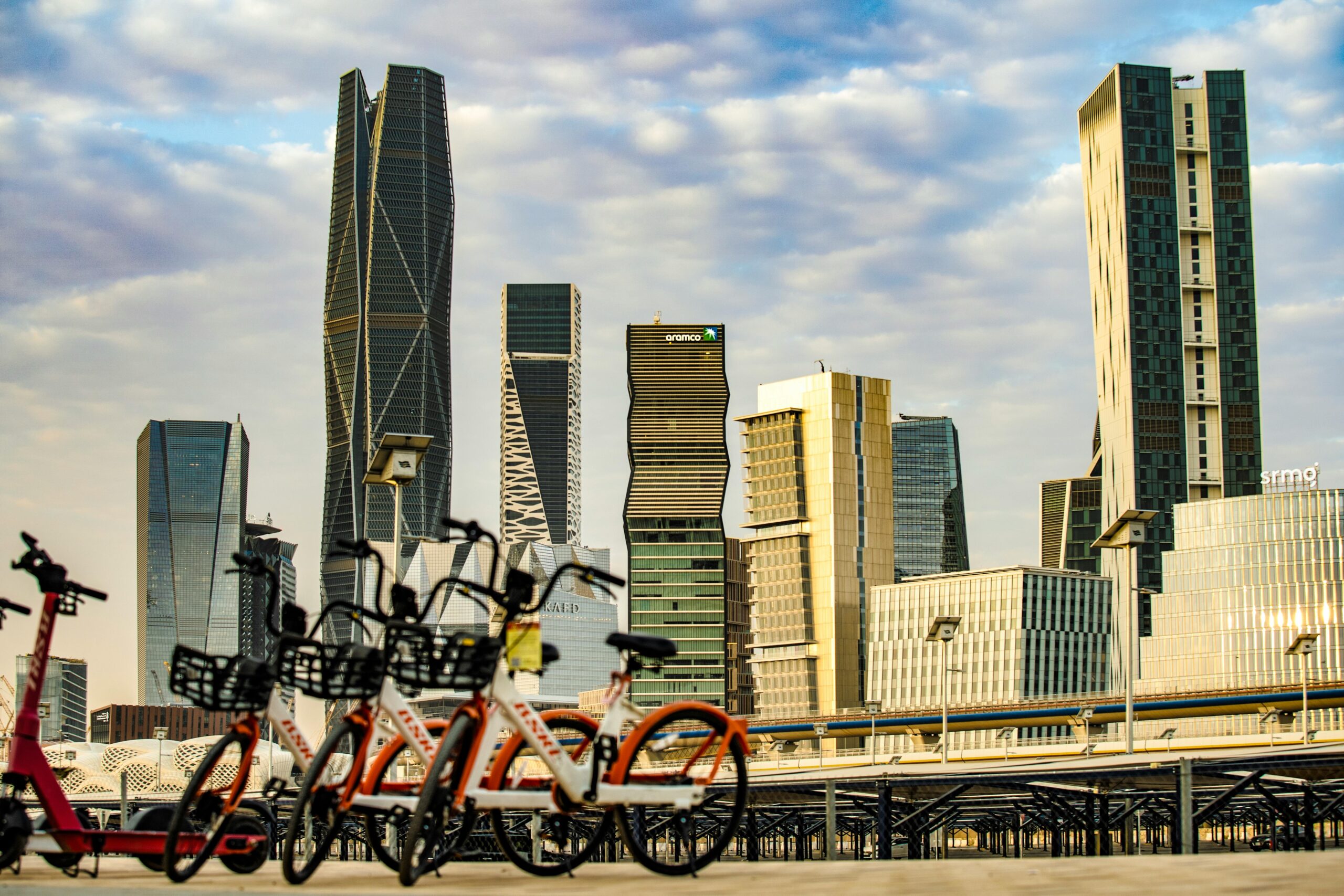
Marketing in Saudi Arabia is not just evolving—it is transforming at a pace that surprises even experienced marketers. What worked five years ago is already outdated. Consumer behavior has shifted, digital adoption has surged, and expectations are higher than ever. For brands, this creates both opportunity and risk. Those who adapt quickly can capture massive growth. Those who don’t risk becoming invisible.
In this article, we’ll break down how marketing in Saudi Arabia is changing, what’s driving the shift, and how your brand can stay ahead.
Why Saudi Arabia’s Marketing Landscape Is Changing So Fast
Saudi Arabia is undergoing a major economic and social transformation. This change is driven by Vision 2030, a national plan to diversify the economy and reduce reliance on oil.
This has had a direct impact on marketing:
- More sectors are opening up
- New businesses are entering the market
- Consumers have more choices than ever
- Competition is increasing across industries
At the same time, the population is young, tech-savvy, and highly connected. Over 70% of Saudis are under 35, and they spend a significant amount of time online.
This combination—economic reform + digital behavior—is reshaping marketing strategies across the country.
The Rise of Digital-First Consumers
One of the biggest changes is how people consume content and interact with brands.
Saudi consumers are now digital-first. They discover, research, and purchase products online more than ever before.
Key trends driving this shift:
- High smartphone penetration
- Strong social media usage
- Growth in e-commerce platforms
- Increased trust in online payments
Consumers no longer rely only on traditional advertising. Instead, they:
- Search on Google
- Watch product reviews
- Follow influencers
- Compare prices online
For brands, this means one thing: you must meet your audience where they are—online.
Social Media Is Now the Core Marketing Channel
Social media in Saudi Arabia is not just for entertainment. It plays a central role in purchasing decisions. Platforms like Instagram, Snapchat, TikTok, and X (Twitter) dominate daily life.
What makes social media powerful in Saudi Arabia?
- High engagement rates
- Strong influencer culture
- Visual content performs extremely well
- Local trends spread quickly
Influencers, in particular, have a major impact. Consumers trust recommendations from people they follow more than traditional ads.
What brands should do:
- Collaborate with local influencers
- Focus on short-form video content
- Create culturally relevant campaigns
- Engage actively with followers
Posting generic global content is no longer enough. Localization is key.
Arabic Content Is No Longer Optional
Many international brands make a critical mistake: they rely heavily on English content.
In Saudi Arabia, Arabic content performs better—especially when it feels natural and culturally aligned.
Why Arabic matters:
- It builds trust
- It improves engagement
- It feels more personal
- It aligns with local identity
But it’s not just about translation. Direct translation often sounds unnatural.
Best practices:
- Use native Arabic copywriters
- Adapt tone to local culture
- Avoid literal translations
- Use region-specific phrases
When done right, Arabic content can significantly boost your marketing results.
E-Commerce Is Growing Rapidly
Online shopping in Saudi Arabia has grown fast—and it’s still expanding.
Consumers are becoming more comfortable buying everything online, from fashion to electronics to groceries.
Key drivers of e-commerce growth:
- Improved logistics and delivery
- Secure payment systems
- Government support for digital businesses
- Mobile shopping convenience
What this means for brands:
- You need a strong online store
- Fast delivery is expected
- Customer experience must be smooth
- Mobile optimization is essential
If your website is slow or difficult to use, customers will leave immedia
Data-Driven Marketing Is Taking Over
Marketing decisions in Saudi Arabia are becoming more data-driven.
Brands are no longer guessing what works—they are using analytics to guide strategy.
Important metrics to track:
- Website traffic
- Conversion rates
- Customer acquisition cost
- Social media engagement
- Return on ad spend (ROAS)
Why this matters:
Data helps you:
- Understand your audience better
- Improve campaign performance
- Reduce wasted budget
- Make smarter decisions
Companies that rely on data are outperforming those that don’t.
Personalization Is Now Expected
Saudi consumers expect brands to understand their needs.
Generic marketing messages don’t work anymore.
Examples of personalization:
- Product recommendations based on behavior
- Targeted ads based on interests
- Customized email campaigns
- Location-based offers
Why personalization works:
- It feels relevant
- It saves time for customers
- It increases trust
- It boosts conversions
The more relevant your message, the more likely customers will engage.
Local Culture Plays a Bigger Role Than Ever
Saudi Arabia has a strong cultural identity, and this directly affects marketing.
Campaigns that ignore cultural values often fail.
Key cultural considerations:
- Respect for traditions
- Importance of family
- Religious values
- National pride
Example:
Marketing during Ramadan is very different from the rest of the year. Messaging becomes more emotional, community-focused, and respectful.
What brands should do:
- Align campaigns with local values
- Be culturally sensitive
- Avoid controversial messaging
- Celebrate local events and traditions
Understanding culture is not optional—it’s essential.
Video Content Is Dominating
Video content is now one of the most effective marketing tools in Saudi Arabia.
Short-form videos, in particular, are performing extremely well.
Why video works:
- It grabs attention quickly
- It is easy to consume
- It communicates more in less time
- It performs well on social media
Types of video content that work:
- Product demos
- Behind-the-scenes clips
- Influencer collaborations
- Customer testimonials
Brands that invest in video are seeing higher engagement and better results.
The Role of Influencer Marketing Is Expanding
Influencer marketing in Saudi Arabia is growing fast.
But it’s also becoming more strategic.
What has changed:
- Brands are choosing influencers more carefully
- Authenticity matters more than follower count
- Long-term partnerships are preferred
- Micro-influencers are gaining importance
Why micro-influencers work:
- They have more engaged audiences
- They feel more relatable
- They are often more cost-effective
Key takeaway:
Focus on trust and relevance, not just reach.
Search Behavior Is Becoming More Complex
Search engines still play a big role, but user behavior is changing.
People are now searching in different ways:
- Voice search
- Arabic keywords
- Long-tail queries
- Questions instead of keywords
Example:
Instead of searching “best phone,” users might search:
- “What is the best phone under 2000 SAR?”
- “Which phone has the best camera in Saudi Arabia?”
What brands should do:
- Optimize for conversational queries
- Use long-tail keywords
- Create helpful, detailed content
- Focus on user intent
SEO in Saudi Arabia is becoming more about helpfulness than just keywords.
Omnichannel Marketing Is the New Standard
Customers interact with brands across multiple channels.
They might:
- Discover a product on Instagram
- Research it on Google
- Visit the website
- Buy through an app
This means your marketing must be connected.
What is omnichannel marketing?
It’s creating a seamless experience across all touchpoints.
Why it matters:
- It improves customer experience
- It builds trust
- It increases conversions
Example:
A customer sees your ad → clicks your website → gets a follow-up email → completes purchase.
Everything should feel connected.
Trust and Transparency Are Critical
Saudi consumers are becoming more informed and cautious.
They don’t trust brands easily.
How to build trust:
- Be honest in your messaging
- Show real customer reviews
- Be transparent about pricing
- Deliver on your promises
What damages trust:
- Misleading ads
- Poor customer service
- Hidden costs
- Slow response times
Trust is now a key factor in long-term success.
The Future of Marketing in Saudi Arabia
The pace of change is not slowing down.
In fact, it’s accelerating.
What to expect next:
- More AI-driven marketing
- Increased automation
- Stronger focus on customer experience
- Continued growth in e-commerce
- More competition across industries
Brands that stay flexible and open to change will win.
How Brands Can Stay Ahead
To succeed in Saudi Arabia’s fast-changing market, brands need to be proactive.
Practical steps:
- Invest in digital marketing
- Focus on Arabic content
- Use data to guide decisions
- Embrace video and social media
- Understand local culture deeply
- Personalize your marketing
- Build trust with your audience
Final Thoughts
Marketing in Saudi Arabia is evolving faster than most brands expect. The shift toward digital, personalization, and cultural relevance is reshaping the entire landscape. This is not a market where you can rely on old strategies.
If you want to succeed, you must:
- Adapt quickly
- Stay informed
- Put the customer first
The brands that understand these changes—and act on them—will not just survive. They will lead.