

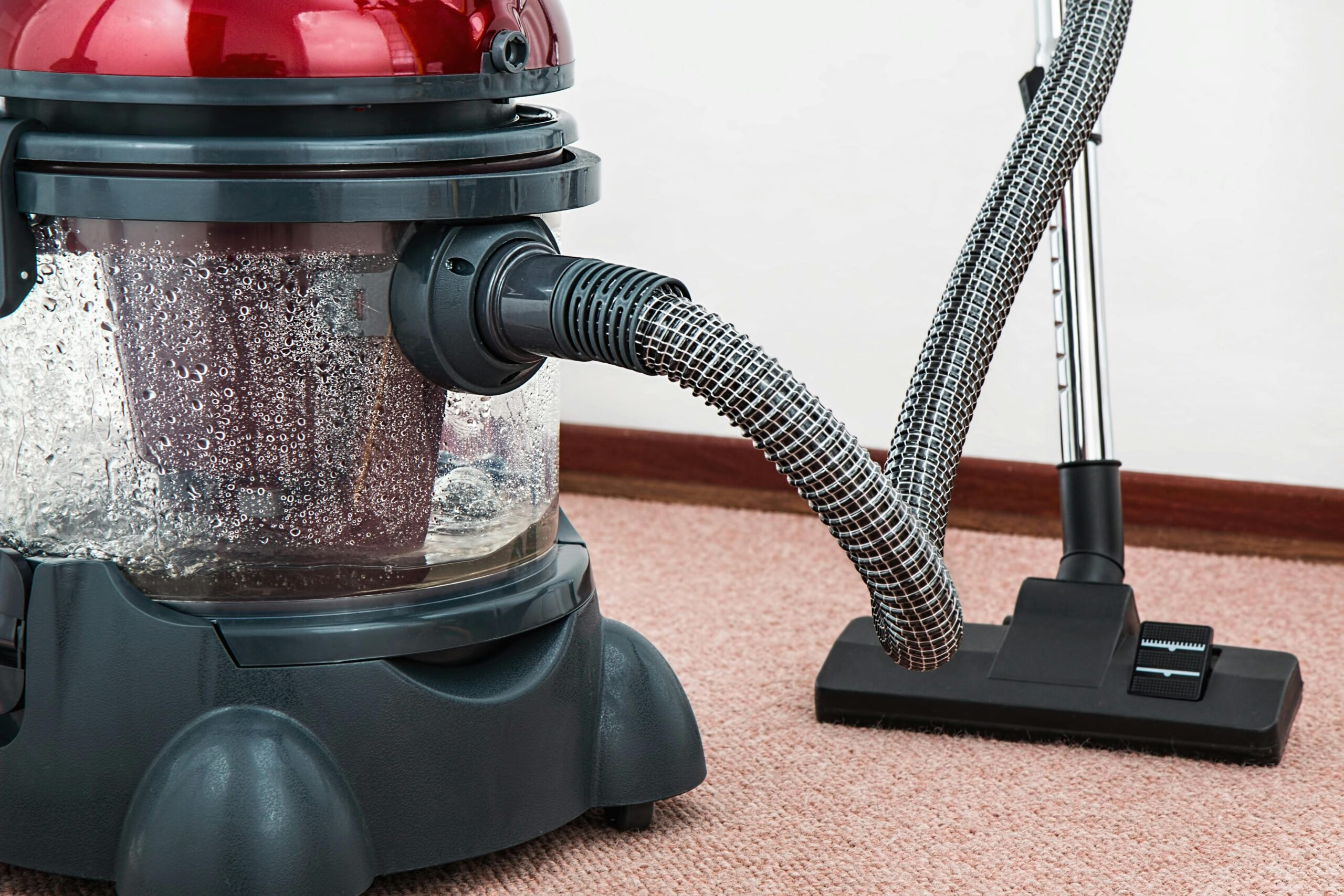
Understanding vacuum suction measurement is essential whether you’re working in industrial manufacturing, HVAC systems, laboratories, or even using household vacuum cleaners. Yet, many people struggle with confusing units, unclear tools, and inconsistent measurement methods.
This guide breaks everything down in simple, practical language. You’ll learn how vacuum suction is measured, which units matter, what tools to use, and how to get accurate results in real-world conditions.
What Is Vacuum Suction?
Vacuum suction refers to the pressure difference between a system and the surrounding atmosphere. In simple terms, it measures how much air (or gas) has been removed from a space.
- Higher vacuum = lower pressure inside the system
- Lower vacuum = pressure closer to atmospheric levels
Vacuum suction is not about “pulling force” alone. It is actually about pressure imbalance, which creates the suction effect.
Why It Matters
Accurate vacuum measurement is critical for:
- Industrial processes (packaging, molding, coating)
- Medical equipment (suction devices, sterilization)
- HVAC systems (refrigerant evacuation)
- Food preservation (vacuum sealing)
- Scientific research (controlled environments)
Poor measurement leads to inefficiency, contamination, or equipment failure.
Understanding Vacuum Pressure Ranges
Vacuum is not a single level. It exists across a wide spectrum.
1. Low Vacuum (Rough Vacuum)
- Range: Atmospheric pressure to about 1 mbar
- Used in: Vacuum cleaners, packaging systems
2. Medium Vacuum
- Range: 1 mbar to 10⁻³ mbar
- Used in: Industrial drying, degassing
3. High Vacuum
- Range: 10⁻³ to 10⁻⁷ mbar
- Used in: Semiconductor manufacturing, research labs
4. Ultra-High Vacuum (UHV)
- Range: Below 10⁻⁷ mbar
- Used in: Particle physics, space simulation
Each level requires different tools and measurement techniques.
Common Units Used in Vacuum Measurement
Vacuum measurement uses multiple units, which often causes confusion. Let’s simplify them.
1. Pascal (Pa)
- SI unit of pressure
- 1 Pascal = 1 Newton/m²
- Widely used in scientific contexts
2. Kilopascal (kPa)
- 1 kPa = 1,000 Pa
- Common in engineering
3. Bar
- 1 bar ≈ atmospheric pressure
- Popular in industrial settings
4. Millibar (mbar)
- 1 mbar = 100 Pa
- Very common in vacuum systems
5. Torr (mmHg)
- Based on mercury column pressure
- 1 Torr ≈ 133.3 Pa
- Widely used in labs
6. Inches of Mercury (inHg)
- Common in HVAC and automotive
- Often used in the US
Absolute vs Gauge Pressure
Understanding this distinction is crucial.
Absolute Pressure
- Measured relative to a perfect vacuum (zero pressure)
- Always positive
- Used in scientific applications
Gauge Pressure
- Measured relative to atmospheric pressure
- Can be negative (vacuum) or positive
- Common in everyday tools
Key takeaway:
Vacuum suction is usually expressed as negative gauge pressure or low absolute pressure.
Tools Used for Measuring Vacuum Suction
Different applications require different instruments. Here are the most common tools.
1. Vacuum Gauges


7
Vacuum gauges are the most widely used tools.
Types:
- Analog gauges – Simple, cost-effective
- Digital gauges – More accurate, easy to read
- Compound gauges – Measure both pressure and vacuum
Best For:
- HVAC systems
- General industrial use
- Automotive diagnostics
2. Manometers


6
Manometers measure pressure using liquid columns.
Types:
- U-tube manometer
- Inclined manometer
- Digital manometer
Advantages:
- Highly accurate
- Simple principle
Limitations:
- Bulky (liquid-based)
- Not ideal for very high vacuum
3. Pirani Gauges


7
These measure vacuum based on thermal conductivity of gases.
How It Works:
- A heated filament cools differently depending on gas pressure
- Lower pressure = less cooling
Best For:
- Medium vacuum range
- Industrial and laboratory use
4. Ionization Gauges


7
Used for extremely low pressures.
How It Works:
- Ionizes gas molecules
- Measures current from ions
Best For:
- High and ultra-high vacuum systems
5. Vacuum Transducers


7
Convert pressure into electrical signals.
Advantages:
- High precision
- Automation-friendly
Used In:
- Advanced manufacturing
- Automated systems
Techniques for Measuring Vacuum Suction
Using the right tool is only half the job. Proper technique ensures accurate readings.
1. Direct Measurement
This involves connecting a gauge directly to the system.
Steps:
- Ensure airtight connections
- Place the gauge close to the measurement point
- Avoid long tubing (causes pressure drop)
Best for: Quick diagnostics and routine checks
2. Differential Measurement
Measures the difference between two points.
Used When:
- Monitoring filters
- Checking pressure drops across components
Example: HVAC duct systems
3. Indirect Measurement
Used for very high vacuum levels.
Method:
- Measure related properties (like heat transfer or ionization)
- Convert to pressure values
Used in: Scientific and semiconductor industries
4. Leak Testing
Vacuum measurement is often used to detect leaks.
Methods:
- Pressure decay test
- Helium leak detection
- Bubble testing (basic method)
Tip: Even small leaks can significantly affect vacuum readings.
Factors That Affect Vacuum Measurement Accuracy
Even the best tools can give wrong readings if conditions are not controlled.
1. Temperature
- Affects gas behavior
- Impacts thermal-based gauges
2. Altitude
- Changes atmospheric pressure
- Affects gauge readings
3. Contamination
- Dust, oil, or moisture can distort results
4. Calibration
- Instruments must be regularly calibrated
- Drift leads to inaccurate data
5. System Leaks
- The most common issue
- Causes unstable readings
Practical Applications of Vacuum Measurement
Let’s connect theory with real-world use.
1. HVAC Systems
- Ensures proper refrigerant evacuation
- Prevents moisture contamination
2. Industrial Manufacturing
- Vacuum forming and molding
- Material handling systems
3. Medical Field
- Surgical suction devices
- Sterilization chambers
4. Food Packaging
- Extends shelf life
- Prevents oxidation
5. Laboratories
- Controlled experiments
- Thin-film deposition
How to Choose the Right Vacuum Measurement Tool
Choosing the wrong tool leads to poor results. Use this simple guide.
Consider These Factors:
1. Pressure Range
- Match the tool to your vacuum level
2. Accuracy Requirements
- Lab work needs higher precision
- General use can tolerate minor errors
3. Environment
- Harsh environments require durable tools
4. Budget
- Analog gauges are cheaper
- Digital and ion gauges cost more
5. Maintenance Needs
- Some tools require frequent calibration
Common Mistakes to Avoid
Many users get inaccurate readings due to simple errors.
- Using the wrong unit
- Ignoring calibration
- Measuring far from the source
- Overlooking leaks
- Misinterpreting gauge vs absolute pressure
Avoiding these mistakes can improve accuracy dramatically.
Best Practices for Reliable Measurements
Follow these proven practices:
- Always calibrate your instruments
- Use short, leak-free connections
- Match the tool to the vacuum range
- Keep equipment clean
- Record readings consistently
Consistency is key for reliable data.
Future Trends in Vacuum Measurement
Technology is improving rapidly.
What’s Changing?
- Smart digital gauges with IoT integration
- Wireless monitoring systems
- AI-based diagnostics
- Higher precision sensors
These innovations make vacuum measurement faster, smarter, and more reliable.
Final Thoughts
Vacuum suction measurement may seem complex at first, but it becomes manageable once you understand the basics.
Focus on three core elements:
- Units – Know what you’re measuring
- Tools – Choose the right instrument
- Techniques – Apply proper methods
Whether you’re working in industry, research, or maintenance, accurate vacuum measurement improves performance, safety, and efficiency.
Quick Summary
- Vacuum suction measures pressure below atmospheric levels
- Common units include Pa, mbar, Torr, and inHg
- Tools range from simple gauges to advanced ionization systems
- Technique and calibration matter as much as the tool itself
- Avoid common mistakes to ensure accurate readings