

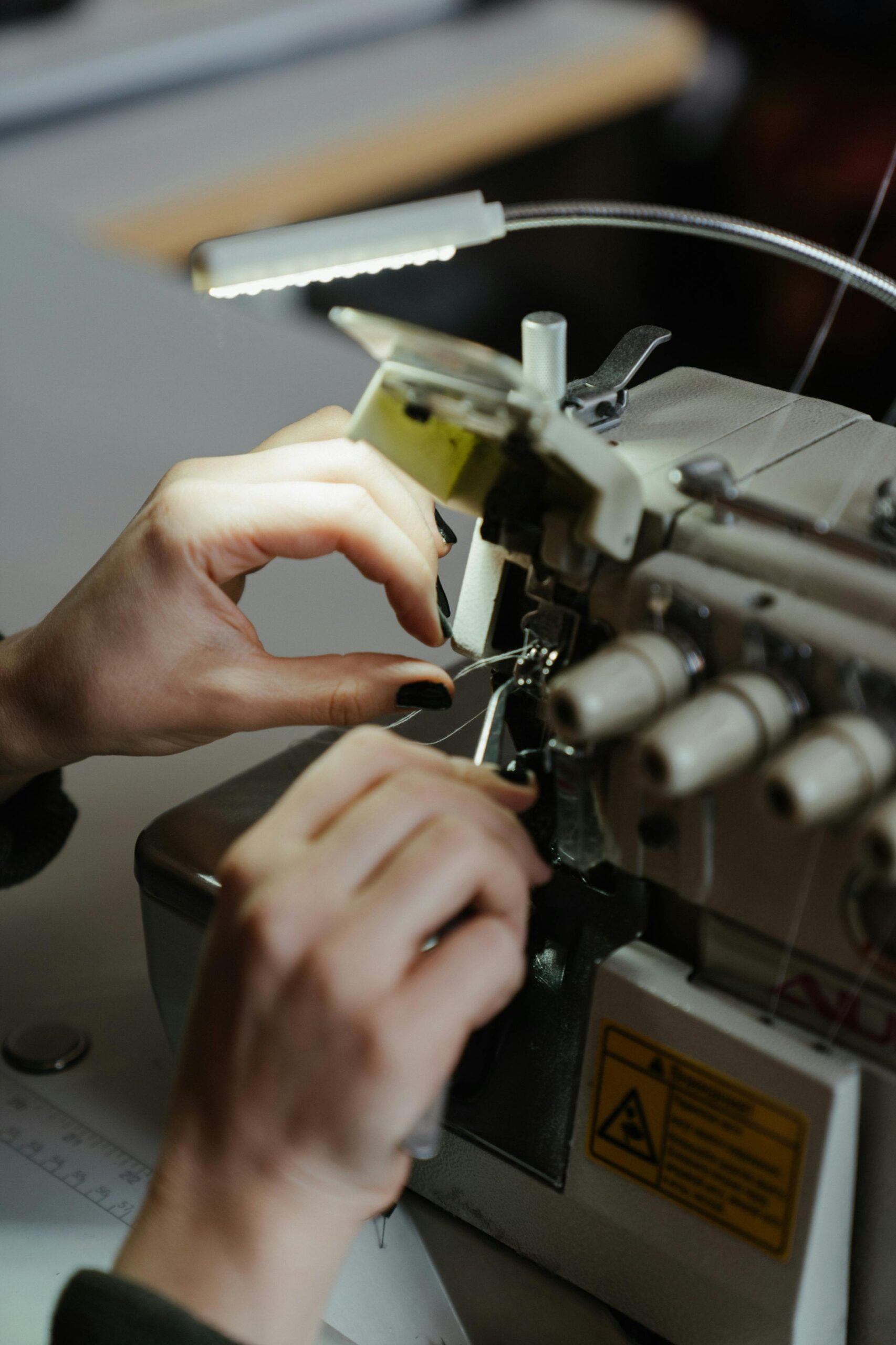
If you’ve ever held a neatly bound book, catalog, or training manual, you’ve seen the result of a bindery machine in action. But how does a bindery machine actually work? A bindery machine works by assembling printed pages, aligning them in the correct order, and fastening them together using methods like stitching, gluing, comb binding, or wire binding.
It automates the final stage of printing—turning loose sheets into finished books, booklets, or documents that are durable and professional.
Now let’s break it down step by step.
What Is a Bindery Machine?
A bindery machine is equipment used in the finishing stage of printing. After pages are printed, they must be:
- Folded
- Gathered in order
- Trimmed
- Bound together
Bindery machines handle one or all of these tasks, depending on the model.
You’ll find them in:
- Commercial print shops
- Publishing houses
- Corporate offices
- Schools and copy centers
Step-by-Step: How a Bindery Machine Works
The exact process depends on the binding method. But most machines follow this workflow.
1. Page Alignment and Collation
First, printed sheets are stacked in the correct order.
The machine:
- Aligns edges
- Adjusts margins
- Ensures page sequence is correct
Advanced systems use sensors to detect missing or double-fed pages.
Clean alignment matters. If pages shift, the final product looks unprofessional.
2. Folding (If Required)
For booklets and magazines, large sheets are folded into sections.
For example:
- A 16-page signature is printed on one large sheet.
- The machine folds it precisely.
- The folded section becomes part of the final book.
Folding accuracy affects spine quality and page flow.
3. Binding Mechanism
This is the core function. Different machines use different methods.
Saddle Stitch Binding
Used for:
- Booklets
- Magazines
- Brochures
The machine:
- Folds pages in half
- Drives metal staples through the spine
Simple and cost-effective.
Perfect Binding
Used for:
- Paperbacks
- Catalogs
- Manuals
The machine:
- Stacks pages
- Roughens the spine edge
- Applies hot glue
- Wraps a cover around the spine
After cooling, the glue hardens and holds the pages together.
Spiral or Comb Binding
Used for:
- Reports
- Workbooks
- Training materials
The machine:
- Punches holes along the edge
- Inserts a plastic comb or metal spiral
- Locks it into place
This allows pages to lie flat when open.
4. Trimming and Finishing
After binding, excess edges are trimmed.
Industrial cutters ensure:
- Smooth edges
- Even page sizes
- Clean, square finish
Some advanced systems add:
- Lamination
- Foil stamping
- Embossing
Types of Bindery Machines
Different machines serve different production needs.
| Type | Best For | Automation Level |
|---|---|---|
| Manual Comb Binder | Small offices | Low |
| Electric Spiral Binder | Medium workloads | Moderate |
| Saddle Stitcher | Booklets | High |
| Perfect Binder | Books & catalogs | Industrial |
Pros and Cons of Using a Bindery Machine
| Pros | Cons |
|---|---|
| Speeds up production | Initial equipment cost can be high |
| Professional finish | Maintenance required |
| Consistent quality | Setup takes time |
| Handles bulk jobs efficiently | Large machines need space |
Real-World Examples
Example 1: School Workbook Production
A school prints 500 student workbooks.
They use:
- Hole punching
- Plastic comb binding
Result:
Students can flip pages flat on desks.
Example 2: Self-Published Paperback
An author prints 1,000 copies of a novel.
They use:
- Perfect binding
- Glossy cover
Result:
The book looks like something from a major bookstore.
Example 3: Monthly Magazine
A marketing company prints a 32-page magazine.
They use:
- Saddle stitching
Result:
Fast production at low cost.
What Makes Modern Bindery Machines Efficient?
Modern machines include:
- Digital controls
- Automatic thickness detection
- Glue temperature regulation
- Barcode tracking systems
These features reduce human error and increase speed.
Large commercial systems can process thousands of books per hour.
FAQs (People Also Ask)
What is the purpose of a bindery machine?
A bindery machine turns printed sheets into finished books or documents. It organizes, fastens, and trims pages to create a polished product.
What are the main types of book binding machines?
The main types include:
- Saddle stitch machines
- Perfect binders
- Spiral binders
- Comb binders
- Wire-O binders
Is perfect binding stronger than saddle stitching?
Yes. Perfect binding creates a glued spine that holds more pages and lasts longer. Saddle stitching works best for thinner booklets.
Can bindery machines handle thick books?
Industrial perfect binders can handle hundreds of pages. Manual machines are better suited for thinner documents.
How much does a bindery machine cost?
Costs vary widely:
- Small manual machines: a few hundred dollars
- Commercial automated systems: tens of thousands
The price depends on automation level and output capacity.
Final Verdict
A bindery machine works by aligning, fastening, and finishing printed pages into a durable final product.
Whether it uses staples, glue, or spirals, the goal is the same: create a professional, easy-to-use document.
For small offices, a manual comb binder may be enough. For publishers or print shops, industrial perfect binders offer speed and consistency.
If you produce printed materials regularly, investing in the right bindery machine improves efficiency, appearance, and long-term durability.