

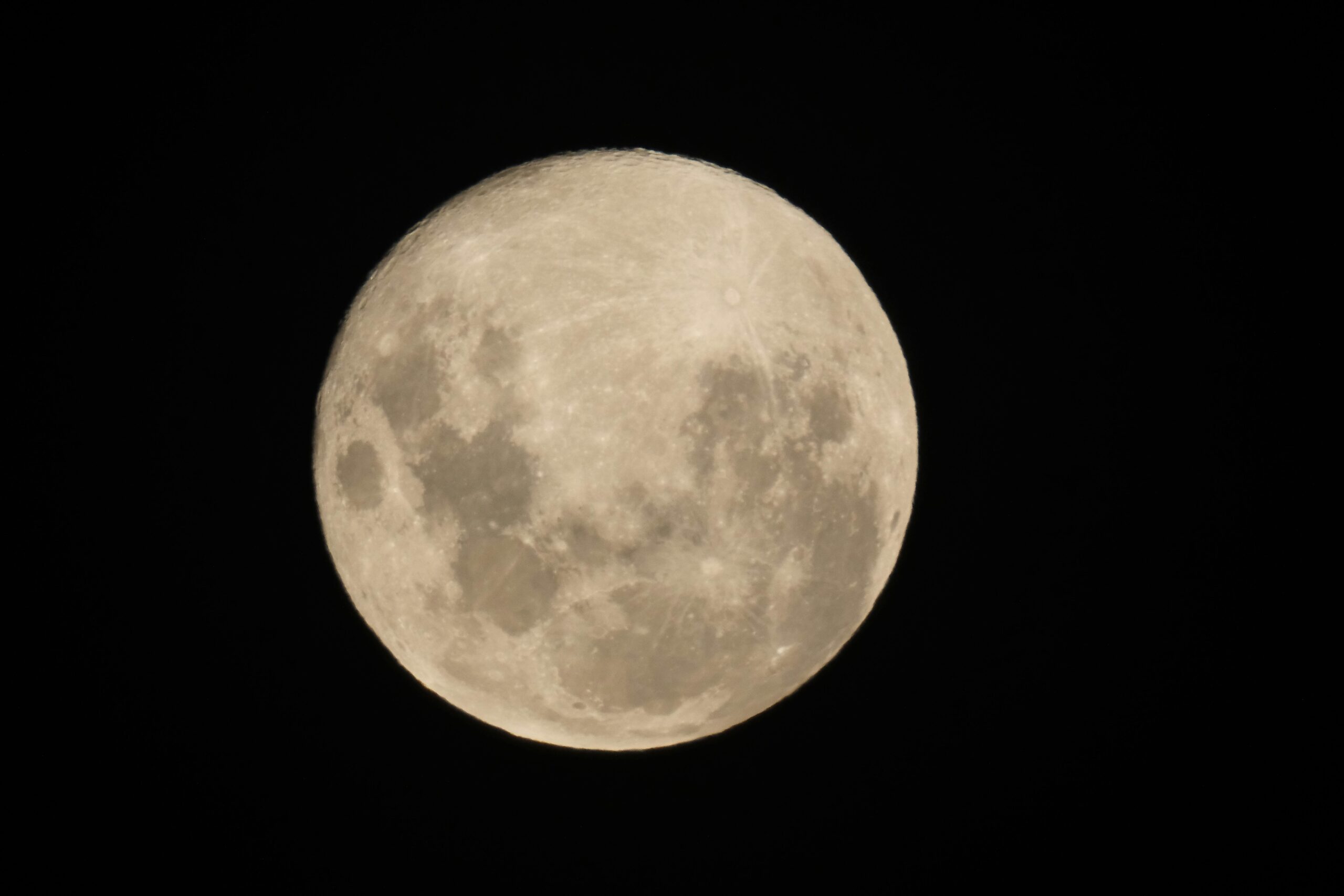
2026 is shaping up to be a busy year on and around the Moon! While the renewed lunar focus is exciting, it also raises crucial questions about sustainability and environmental impact. This article delves into the key themes surrounding Moon Missions 2026, exploring Pollution Risks, tracking Artemis Progress, and examining the role of Starlink Satellite Launches in supporting lunar activities.
1. Pollution Risks: A Growing Concern for Lunar Sustainability
The increased frequency of Moon missions in 2026 brings with it a growing awareness of the potential for lunar pollution. From rocket exhaust to discarded equipment, human activity is starting to leave its mark on the pristine lunar environment.
- Rocket Exhaust Contamination: Rocket exhaust releases harmful chemicals that can contaminate the lunar surface and atmosphere. This contamination can affect future scientific research and potentially harm any future lunar habitats.
- Space Debris Accumulation: The accumulation of space debris in lunar orbit and on the lunar surface is a growing concern. This debris can pose a hazard to future missions and potentially contaminate the environment.
- Light and Radio Pollution: Increased human activity on the Moon can generate light and radio pollution that interferes with astronomical observations and disrupts the natural environment.
- Resource Depletion: Unregulated resource extraction on the Moon can lead to depletion of valuable resources and irreversible damage to the lunar landscape.
- Planetary Protection Measures: Stricter planetary protection measures are needed to prevent the introduction of terrestrial microorganisms to the Moon, which could contaminate scientific experiments and potentially harm any future lunar habitats.
Addressing the Risks:
- Sustainable Launch Practices: Developing and implementing sustainable launch practices that minimize pollution from rocket exhaust.
- Debris Mitigation Strategies: Implementing strategies for tracking and mitigating space debris in lunar orbit and on the lunar surface.
- Light and Radio Emission Controls: Establishing regulations to control light and radio emissions from lunar activities.
- Sustainable Resource Management: Developing sustainable resource management practices that protect the lunar environment and ensure the long-term availability of resources.
- International Collaboration: Fostering international collaboration to develop and enforce environmental regulations for lunar activities.
2. Artemis Progress: On Track for Lunar Landings?
NASA’s Artemis program remains the cornerstone of lunar exploration, and 2026 will be a crucial year for assessing its progress towards a sustainable lunar presence.
- Artemis III Preparations: Progress on the Artemis III mission, which aims to land astronauts on the Moon near the lunar south pole, is under intense scrutiny. Key milestones include [Mention specific milestones reached in 2026 relating to spacecraft development, landing site selection, astronaut training etc.].
- Lunar Gateway Construction: The development and deployment of the Lunar Gateway, a space station orbiting the Moon, is essential for supporting future lunar missions. Updates on module construction and launch schedules are eagerly awaited.
- Commercial Lunar Payload Services (CLPS): Updates on the progress of various CLPS missions, which are delivering scientific instruments and technology demonstrations to the lunar surface.
- International Partnerships: The Artemis program relies on strong international partnerships, and progress on collaborations with other space agencies is crucial.
Prediction for 2026: While delays are always possible in complex space programs, expect significant progress on Artemis III preparations and Lunar Gateway construction. The success of CLPS missions will provide valuable data for future human landings.
3. Starlink Satellite Launches: Supporting Lunar Communication and Navigation
SpaceX’s Starlink constellation is playing an increasingly important role in supporting lunar missions by providing communication and navigation services.
- Enhanced Lunar Communication: Starlink satellites can be used to provide reliable and high-bandwidth communication between Earth and the Moon, enabling real-time data transmission and communication with astronauts.
- Lunar Navigation Support: Starlink satellites can also be used to provide navigation support for lunar missions, helping spacecraft and astronauts accurately determine their position and trajectory.
- Potential Interference Concerns: The growing number of Starlink satellites raises concerns about potential interference with astronomical observations and other space activities.
- Collaboration and Coordination: International collaboration and coordination are needed to ensure that Starlink satellites do not interfere with lunar missions or other space activities.
Looking Ahead:
2026 will be a pivotal year for lunar exploration, with significant progress expected on Artemis, growing concerns about lunar pollution, and an increasing role for Starlink satellites. Addressing the environmental challenges and fostering international collaboration will be essential for ensuring the long-term sustainability of human activity on the Moon. Keep following updates on Moon Missions 2026 to stay informed!