

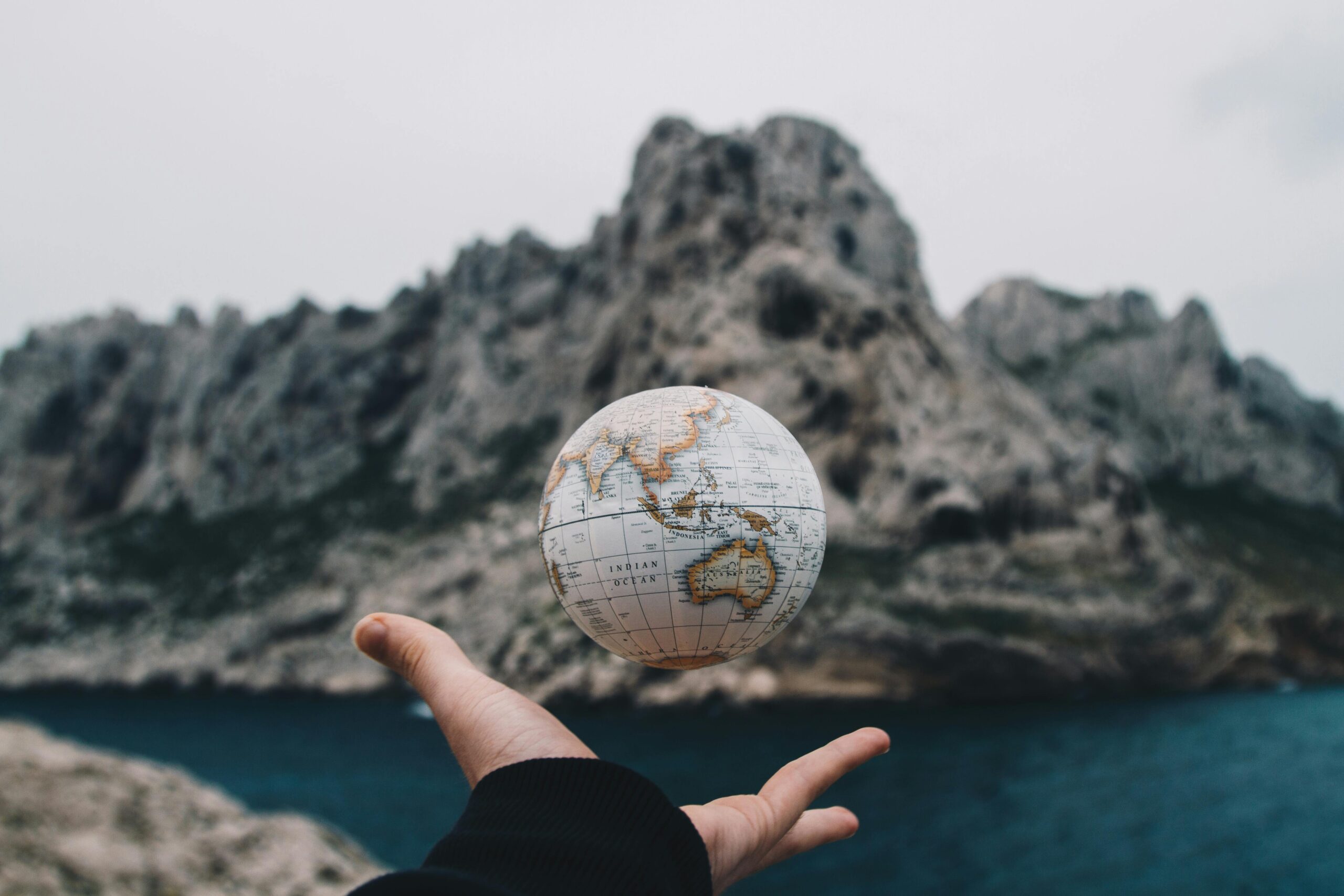
Earth has been spinning on its axis for about 4.5 billion years, completing one rotation every 24 hours. This motion is so constant that we rarely think about it—but what if it suddenly stopped?
If Earth stopped spinning, the consequences would be catastrophic, reshaping the planet’s geography, climate, and life itself. In this SEO-optimized, science-based article, we explore what would really happen if Earth stopped rotating, separating Hollywood myths from real physics.
Why Earth’s Rotation Is So Important
Earth’s rotation is responsible for:
- The day and night cycle
- Stable weather patterns
- The Coriolis effect, which drives winds and ocean currents
- A balanced gravity distribution
- Earth’s slightly bulging equator
Without rotation, the planet would be almost unrecognizable.
What If Earth Suddenly Stopped Spinning?
1. Everything Would Be Thrown Sideways at Supersonic Speeds
At the equator, Earth spins at about 1,670 km/h (1,037 mph). If rotation stopped instantly:
- Oceans would surge across continents
- Buildings, trees, and people would be hurled eastward
- Massive planet-wide earthquakes would occur
This alone would cause near-total extinction.
2. Global Mega-Tsunamis
The oceans would continue moving even after the land stopped:
- Water would flood continents
- Coastal cities would vanish
- Entire landmasses would be reshaped
This would be far worse than any tsunami ever recorded.
3. The Atmosphere Would Keep Moving
Earth’s atmosphere also spins with the planet:
- Winds traveling over 1,000 km/h would scour the surface
- Super-hurricanes would flatten ecosystems
- Most life forms would not survive
What If Earth Slowly Stopped Spinning?
A gradual stop is less violent—but still devastating.
4. Days and Nights Would Last Months
Without rotation:
- One side of Earth would face the Sun for six months
- The other side would be in six months of darkness
- Extreme heat and freezing cold would dominate
Photosynthesis, agriculture, and ecosystems would collapse.
5. Extreme Climate Changes
- Day side temperatures could exceed 100°C (212°F)
- Night side could drop below -100°C (-148°F)
- Most animals and plants could not adapt
Only narrow “twilight zones” might support life.
6. Oceans Would Move Toward the Poles
Earth’s rotation causes the equatorial bulge. Without it:
- Water would migrate toward the poles
- Equatorial regions would become dry land
- Polar regions would flood, forming massive oceans
Global coastlines would completely change.
7. Earth’s Magnetic Field Would Weaken
Earth’s spin helps power the geodynamo in the core:
- A weakened magnetic field would allow harmful solar radiation
- Increased cancer rates and DNA damage
- Technology and satellites would fail
This would make Earth far less hospitable to life.
Could Humans Survive If Earth Stopped Spinning?
Short answer: Unlikely.
Possible survival would require:
- Underground or climate-controlled habitats
- Advanced energy systems
- Protection from radiation and extreme temperatures
Even then, survival would be limited and temporary.
Has Earth Ever Stopped Spinning?
No.
However:
- Earth’s rotation is slowly decreasing
- Days lengthen by about 1.7 milliseconds per century
- This is due to gravitational interaction with the Moon
A complete stop would take billions of years, not suddenly.
Final Thoughts
If Earth stopped spinning, the result would be one of the greatest disasters imaginable—from global tsunamis to atmospheric collapse and extreme climate zones. Earth’s rotation is essential for life as we know it, and even small changes can have massive consequences.
Thankfully, Earth isn’t stopping anytime soon—but imagining it reminds us how finely balanced our planet truly is.