

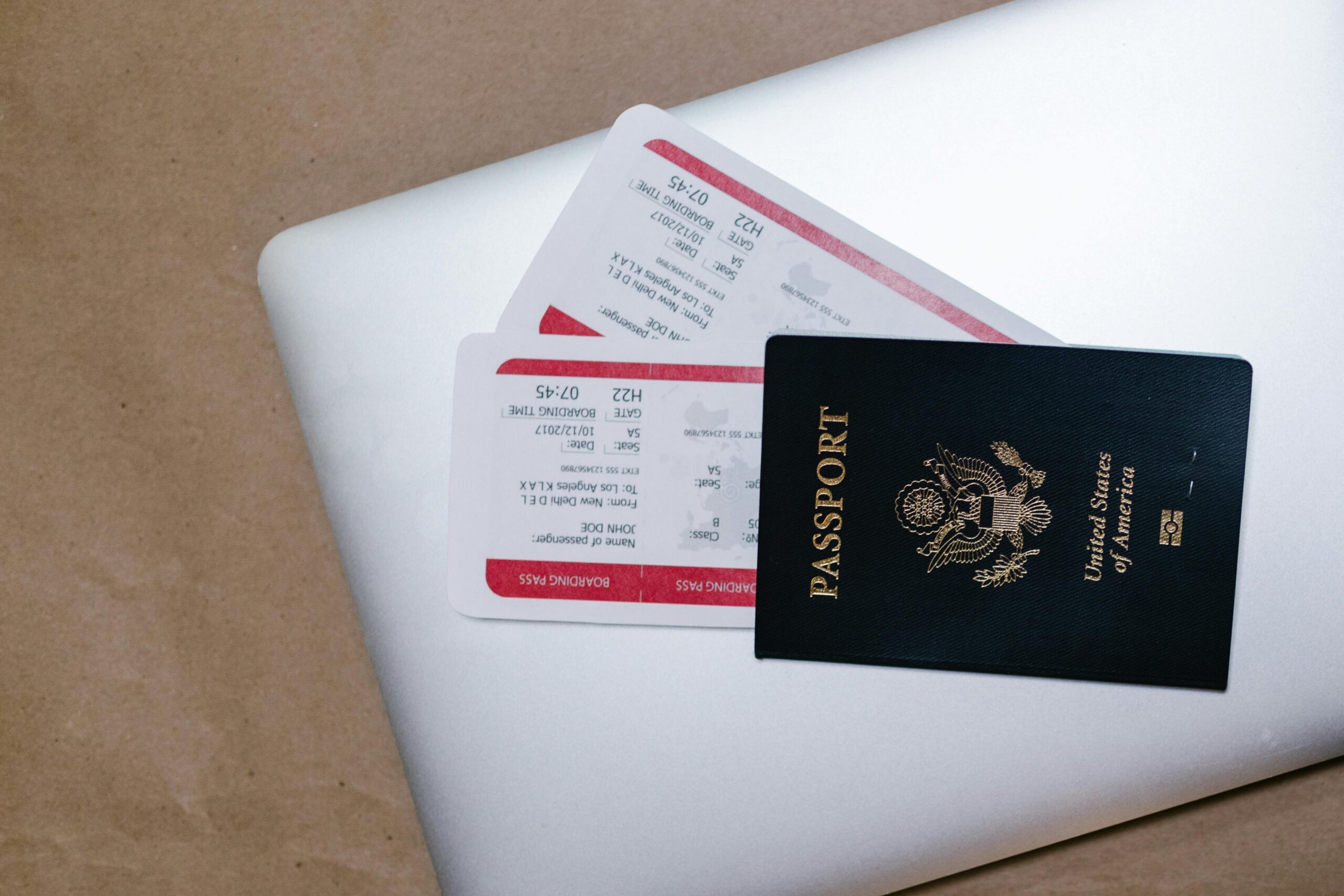
Ever wondered what software actually powers airline ticket booking at airports?
Airports and airlines rely on global airline reservation systems that connect flights, prices, seat availability, and passenger data in real time. These systems handle everything from booking and payments to check-in and boarding passes.
Below is a clear, practical breakdown—written for humans, not bots.
Airport ticket booking mainly uses Global Distribution Systems (GDS) and airline reservation systems. The most widely used platforms worldwide are Amadeus, Sabre, and Travelport.
These systems connect airlines, airports, travel agents, and online booking platforms in one live network.
How Airport Ticket Booking Software Works
At an airport counter, things move fast—but a lot happens behind the scenes.
Step-by-step flow:
- Passenger requests a ticket
- Agent enters travel details (route, date, class)
- Software checks live availability across airlines
- Fare rules and prices appear instantly
- Payment is processed
- Ticket and PNR are generated
- Boarding pass is issued or synced
All of this usually takes less than a minute.
Main Types of Software Used in Airport Ticket Booking
1. Global Distribution Systems (GDS)
These are the backbone of airline ticketing.
What they do:
- Show real-time flight availability
- Manage fares and seat inventory
- Issue tickets and handle cancellations
- Connect airlines with airports and agents
Who uses them:
- Airport ticket counters
- Airline sales offices
- Travel agencies
- Online travel platforms
2. Airline Reservation Systems (ARS)
These are airline-owned systems that manage internal operations.
Key functions:
- Passenger Name Records (PNR)
- Seat assignments
- Loyalty programs
- Baggage and add-ons
Most airlines integrate their ARS with a GDS for global access.
3. Departure Control Systems (DCS)
This software kicks in closer to departure time.
Used for:
- Check-in
- Boarding passes
- Seat upgrades
- Flight manifest control
Airports depend heavily on DCS to keep flights on schedule.
Most Popular Airport Ticket Booking Software (Explained Simply)
| Software | Best Known For | Common Users |
|---|---|---|
| Amadeus | Strong airline + airport integration | Major international airports |
| Sabre | Advanced pricing and revenue tools | Airlines, US-based airports |
| Travelport | Multi-source airline content | Travel agencies, regional airports |
Pros & Cons of Airport Ticket Booking Software
| Pros | Cons |
|---|---|
| Real-time flight data | High setup cost |
| Fast ticket issuance | Requires trained staff |
| Secure passenger records | Complex interfaces |
| Works globally | Vendor lock-in risks |
Real-World Examples
1: Airport Ticket Counter
A passenger walks into an airport without a ticket.
The agent uses a GDS terminal, checks flights, applies fare rules, takes payment, and prints the ticket—all in one system.
2: Missed Flight Rebooking
A delayed passenger needs rebooking.
The agent accesses the reservation system, checks alternate flights, updates the PNR, and reissues the ticket instantly.
3: Last-Minute Seat Upgrade
At check-in, the system shows available business-class seats.
The passenger upgrades, and the DCS updates boarding details in seconds.
FAQs (People Also Ask)
What software do airports use for ticket booking?
Airports use Global Distribution Systems (GDS) integrated with airline reservation and departure control systems.
Is airport ticket booking software the same worldwide?
Mostly yes. The core systems are global, but interfaces and integrations may differ by region.
Can airport staff book tickets without the internet?
No. These systems require a live network connection to airline databases.
Is airport ticket booking software secure?
Yes. These platforms follow strict aviation and payment security standards.
Do low-cost airlines use the same software?
Some do. Others rely on their own reservation systems and limited GDS connections.
Final Verdict
Airport ticket booking is powered by robust, real-time airline software, not simple booking tools.
Global Distribution Systems form the backbone, while airline reservation and departure control systems handle the details.
If you’ve ever booked a ticket at an airport counter in minutes—that speed comes from decades of aviation software development working quietly in the background.
[…] Season 1 launched with 8 tightly paced episodes. Amazon rarely changes episode counts unless there’s a major shift in budget or storytelling style. […]