

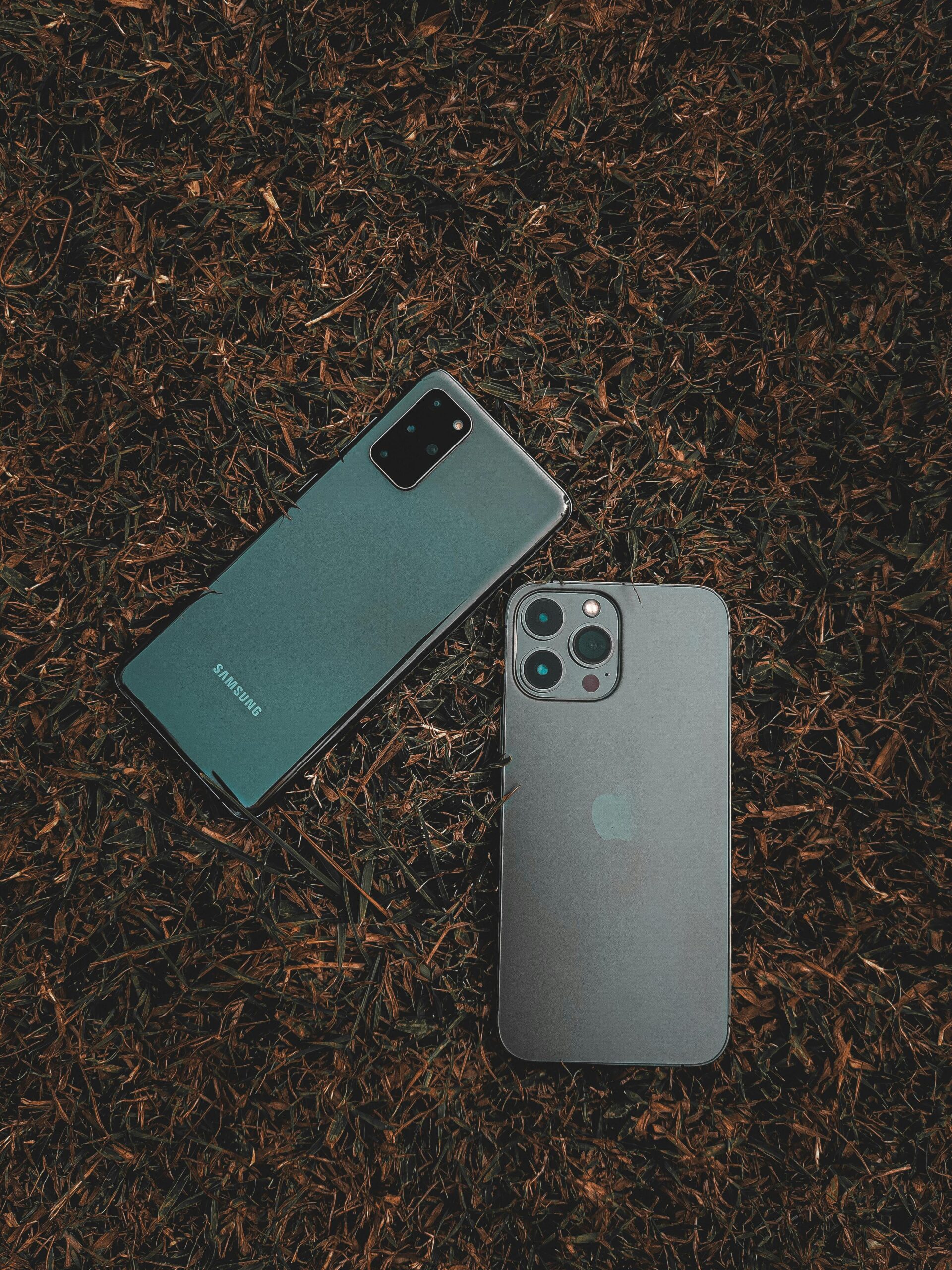
Choosing between iPhone vs Samsung in 2026 is no longer a simple brand preference. Both ecosystems have matured into highly advanced platforms with strong performance, cameras, software features, and long-term support. The real difference now comes down to user priorities: ecosystem control, customization, camera behavior, battery optimization, and long-term value.
This guide breaks down both sides in a practical, real-world way so you can decide based on actual usage not marketing claims.
Understanding the Core Difference
iPhone and Samsung represent two different philosophies in smartphone design.
iPhone (Apple)
- Closed ecosystem
- Highly optimized software and hardware integration
- Strong focus on privacy and long-term software updates
- Consistent user experience across devices
Samsung (Android)
- Open ecosystem
- High customization and flexibility
- Wider hardware variety across price ranges
- More experimental features and display technology leadership
Key Insight
iPhone focuses on stability and consistency. Samsung focuses on flexibility and features. Neither is universally “better”—they serve different user needs.
Performance Comparison in 2026
Performance is no longer just about raw speed. It includes app optimization, thermal management, and sustained performance under load.
iPhone Performance
Apple’s latest chips continue to lead in single-core performance and efficiency.
- Extremely fast app launch times
- Smooth multitasking with optimized memory handling
- Strong gaming performance with stable frame rates
- Better long-term performance consistency
Even after years of use, iPhones tend to slow down less noticeably.
Samsung Performance
Samsung uses top-tier Snapdragon (or Exynos in some regions) processors.
- Strong multi-core performance
- Excellent gaming capabilities with high refresh rate displays
- More RAM options for heavy multitasking
- Slight variation in optimization depending on model
Expert Insight
iPhones usually feel faster in day-to-day tasks. Samsung devices often feel more powerful in multitasking and customization-heavy use cases.
Operating System: iOS vs Android One UI
This is where the biggest difference appears.
iOS (iPhone)
- Simple and uniform interface
- Limited customization
- Strong app optimization
- Tight security control
Real-World Benefit
Apps often perform more consistently on iOS because developers prioritize it.
Android (Samsung One UI)
- Highly customizable home screen
- Advanced multitasking features (split screen, pop-up windows)
- More control over system settings
- Flexible file management
Real-World Benefit
Samsung gives you more control over how your phone behaves.
Insider Tip
If you prefer “set it and forget it,” iPhone is easier. If you like adjusting every detail, Samsung is better.
Camera Comparison: Real-World Photography
Camera performance is often the deciding factor for many users.
iPhone Cameras
- Natural color processing
- Highly consistent photos
- Strong video recording (industry-leading stabilization)
- Reliable autofocus and exposure
Strength
Video quality is still a major advantage for iPhone users.
Samsung Cameras
- More saturated and vibrant colors
- Higher zoom capabilities (especially Ultra models)
- More manual controls in pro mode
- Strong low-light performance
Strength
Samsung often produces more visually striking images, especially for social media.
Expert Insight
- iPhone = realistic, balanced output
- Samsung = enhanced, dramatic output
Neither is wrong; it depends on your style.
Battery Life and Charging
Battery performance in 2026 is highly optimized on both sides.
iPhone Battery
- Efficient power usage
- Stable battery drain patterns
- Slower charging compared to Android
Samsung Battery
- Larger battery capacities in many models
- Faster charging speeds (especially flagship and mid-range)
- Slightly faster battery drain under heavy use
Insider Tip
Samsung wins on charging speed. iPhone wins on consistency and long-term battery health.
Display Technology
Samsung has traditionally led in display innovation.
Samsung Displays
- AMOLED / Dynamic AMOLED panels
- Higher refresh rates (120Hz and beyond)
- Better brightness in outdoor conditions
- More vivid colors
iPhone Displays
- Super Retina XDR displays
- Extremely accurate color calibration
- Smooth ProMotion 120Hz on newer models
- Better color consistency across apps
Key Insight
Samsung displays look more “punchy.” iPhone displays look more “accurate.”
Ecosystem and Connectivity
Apple Ecosystem
- Seamless integration with Mac, iPad, Apple Watch
- AirDrop, iMessage, FaceTime
- Smooth device switching
Real Benefit
Everything works together without setup friction.
Samsung / Android Ecosystem
- Works well with Windows PCs
- Samsung Galaxy ecosystem (Watch, Buds, Tablets)
- More cross-platform compatibility
Real Benefit
Better flexibility with non-Apple devices.
Insider Tip
If you already own a Mac or iPad, iPhone becomes significantly more valuable. If you use Windows, Samsung is often more practical.
Software Updates and Longevity
iPhone
- Long-term updates (often 5–7 years support)
- Immediate updates for all devices
- Strong long-term performance stability
Samsung
- Improved update policy (4–7 years on newer flagships)
- Slight delay in update rollout
- Device-specific optimization varies
Expert Insight
iPhone still leads slightly in consistent long-term software support.
Security and Privacy
iPhone
- Strong app tracking transparency
- Closed ecosystem reduces malware risk
- Tight control over permissions
Samsung
- Knox security platform (very strong)
- More user control over permissions
- Slightly higher exposure due to open Android system
Key Insight
Both are secure, but iPhone has a simpler and more controlled privacy model.
Gaming Experience
iPhone Gaming
- Stable frame rates
- High optimization for top games
- Less overheating in long sessions
Samsung Gaming
- Larger screens on Ultra models
- Higher refresh rates
- Better multitasking while gaming
- More customization for performance tuning
Insider Tip
For competitive gaming stability → iPhone
For feature-rich gaming setup → Samsung
Price and Value for Money
iPhone
- Higher resale value
- Premium pricing across all models
- Less variation in pricing tiers
Samsung
- Wide price range (budget to ultra-premium)
- Frequent discounts and offers
- More hardware choices for different budgets
Expert Insight
Samsung offers better flexibility in budget. iPhone offers better resale value.
Build Quality and Design
iPhone
- Premium aluminum and titanium builds
- Minimalist design
- Consistent aesthetic across models
Samsung
- Glass and metal premium builds
- More design experimentation
- Foldable options available
Insider Tip
Samsung leads in innovation (foldables). iPhone leads in consistency.
Who Should Buy iPhone in 2026?
Choose iPhone if you want:
- Simple and stable user experience
- Strong video recording quality
- Long-term software support
- Seamless ecosystem integration
- High resale value
Who Should Buy Samsung in 2026?
Choose Samsung if you want:
- More customization and control
- Better display variety
- Faster charging
- Flexible pricing options
- Advanced multitasking features
Final Verdict: iPhone vs Samsung
There is no universal winner in 2026. The decision depends on usage style.
- iPhone is better for stability, video, and ecosystem users
- Samsung is better for customization, features, and display innovation
Final Buying Checklist
Before deciding, ask:
- Do I prefer simplicity or customization?
- Do I need ecosystem integration?
- Is camera video or photo more important?
- What is my budget range?
- How important is long-term resale value?
Conclusion
The iPhone vs Samsung debate in 2026 is no longer about superiority. It is about alignment with user behavior.
Both brands are technically excellent. The real difference is how you use your phone daily. Choosing the right one depends less on specs and more on lifestyle compatibility.