

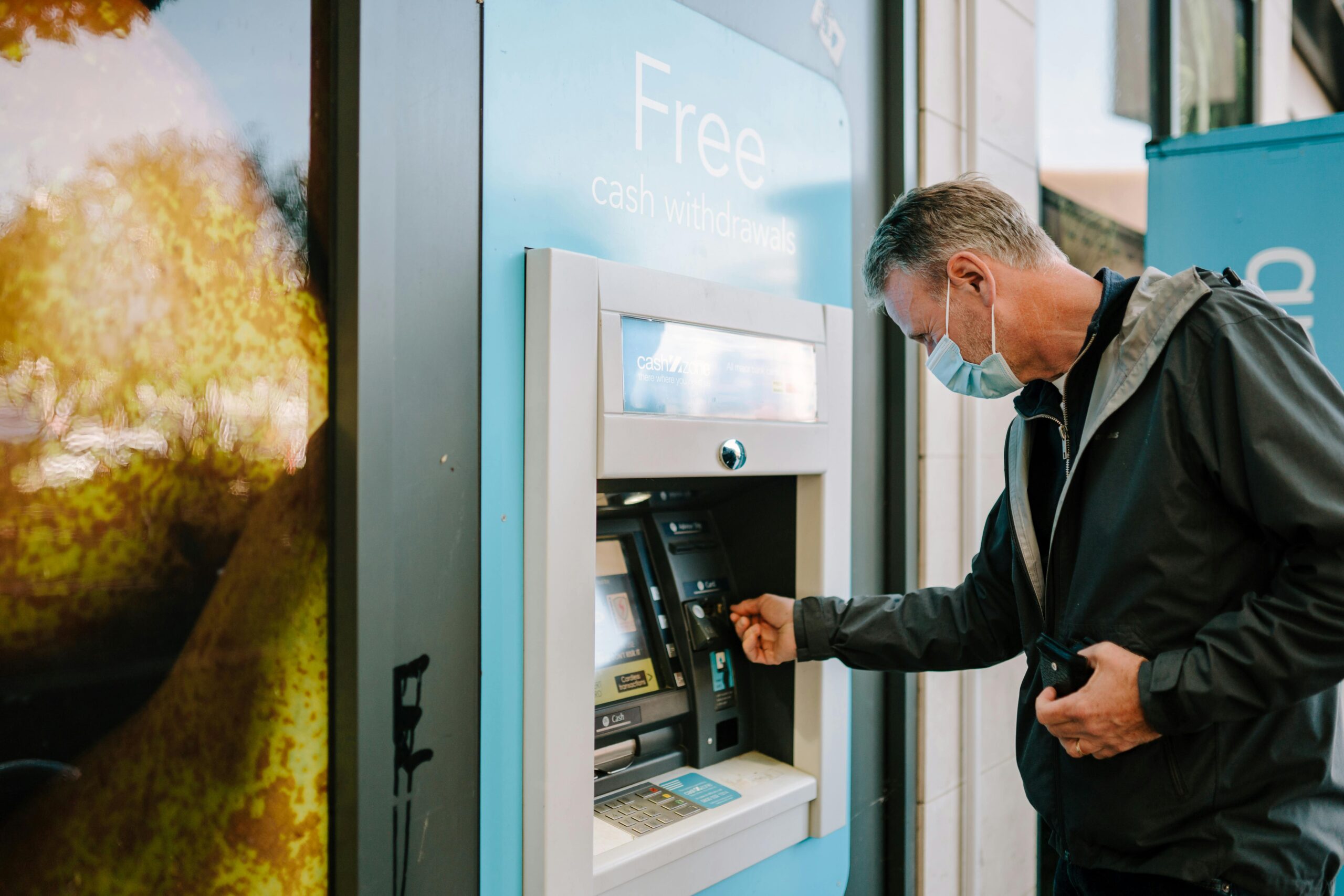
Running a dispensary comes with unique payment challenges. Traditional card processing is often unavailable, customers don’t always want to carry cash, and compliance rules feel like a moving target. This is where cashless ATM solutions step in.
If you’ve heard the term but still feel unclear about how it actually works—or whether it’s safe, legal, and sustainable—this guide is for you.
This article explains cashless ATM systems for dispensaries in plain language. No hype. No fluff. Just practical, experience-based insight that helps owners, managers, and operators make informed decisions.
What Is a Cashless ATM for Dispensaries?
A cashless ATM is a payment workaround that allows customers to use their debit card at the point of sale, even when traditional card processing is not available.
Despite the name, it is not a true ATM and does not dispense cash.
Instead, it works like this:
- The customer’s debit card is charged a rounded amount (for example, $60)
- The dispensary completes the purchase (say $54)
- The customer receives the remaining balance ($6) back as change, store credit, or a cash payout (depending on setup)
From the customer’s perspective, it feels similar to withdrawing cash and spending it immediately.
Why Cashless ATM Systems Exist in the First Place
Dispensaries operate in a difficult payment environment.
Many banks and card networks are cautious about working directly with cannabis-related businesses. As a result:
- Credit card processing is usually unavailable
- Debit processing can be unstable or shut down without warning
- Cash-only operations create security, accounting, and customer experience issues
Cashless ATM solutions emerged to fill this gap, offering:
- Faster checkout
- Lower cash handling risks
- Better customer convenience
They are not perfect—but for many dispensaries, they are a practical bridge.
How a Cashless ATM Works: Step-by-Step
Let’s break it down in simple terms.
1. Customer Chooses Debit at Checkout
The customer selects “debit” as their payment method at the POS.
2. Transaction Is Rounded Up
Instead of charging the exact purchase amount, the system rounds up to the nearest preset increment (often $5 or $10).
Example:
- Purchase total: $47
- Rounded charge: $50
3. Debit Transaction Is Processed
The transaction runs through a network that categorizes it as an ATM-style withdrawal rather than a retail card purchase.
4. Change Is Returned
The difference ($3 in this case) is returned to the customer via:
- Cash from the drawer
- Store credit
- Loyalty balance (depending on system configuration)
5. Funds Settle to the Dispensary
The dispensary receives the rounded amount, minus processing fees.
Is a Cashless ATM the Same as Debit Card Processing?
No. And this distinction matters.
Traditional Debit Processing
- Charges exact purchase amount
- Runs through retail merchant category codes
- Requires direct bank approval
- Often restricted for dispensaries
Cashless ATM
- Mimics an ATM withdrawal
- Uses preset withdrawal increments
- Does not function as a true retail transaction
- More accessible—but more fragile
Understanding this difference helps explain why cashless ATM systems are sometimes shut down or changed.
Why Dispensaries Use Cashless ATMs
1. Better Customer Experience
Customers dislike carrying large amounts of cash. Cashless ATMs reduce friction and speed up checkout.
2. Higher Average Ticket Size
When customers withdraw rounded amounts, they often spend more.
3. Reduced Cash Handling
Less physical cash means:
- Fewer counting errors
- Lower theft risk
- Easier daily reconciliation
4. Faster Lines
Transactions are quicker than cash-only workflows during peak hours.
Common Fees Associated with Cashless ATM Systems
Fees vary by provider, but usually include:
- Customer ATM Fee: Often $2.50–$3.50 per transaction
- Merchant Processing Fee: A percentage or flat fee per transaction
- Setup or Equipment Fees: Terminal or integration costs
Transparency matters here. Dispensaries should clearly disclose customer fees at checkout.
Is Cashless ATM Legal for Dispensaries?
This is one of the most misunderstood areas.
Short Answer
Cashless ATMs operate in a gray area, not a black-and-white illegal space.
Longer Explanation
- The system itself is not illegal
- However, card networks and sponsoring banks control access
- Providers can lose support suddenly due to compliance concerns
This is why dispensaries often experience:
- Sudden service interruptions
- Forced provider switches
- Changes in transaction limits
Key takeaway: Cashless ATMs are permitted operationally, but they are not guaranteed long-term solutions.
Compliance Risks Dispensary Owners Should Understand
Cashless ATM systems carry unique risks.
1. Network Crackdowns
Card networks periodically tighten rules, affecting providers overnight.
2. Inconsistent Labeling
Some systems display confusing transaction descriptions on bank statements, which can lead to customer disputes.
3. Chargeback Confusion
While technically ATM withdrawals, customers may still attempt disputes.
4. Regulatory Scrutiny
Auditors may question transaction categorization if documentation is unclear.
This doesn’t mean you shouldn’t use a cashless ATM—but you must stay informed and adaptable.
How Cashless ATM Integrates with POS Systems
Most modern dispensary POS platforms support cashless ATM integrations.
Integration Benefits
- Automatic rounding calculations
- Seamless reconciliation
- Reduced cashier error
- Cleaner reporting
What to Ask Your POS Provider
- Is the integration native or third-party?
- What happens if the cashless ATM goes offline?
- Can transactions be switched to cash instantly?
Preparation prevents chaos during outages.
Customer Experience: What Shoppers Actually Think
From real-world dispensary feedback, most customers:
- Appreciate the convenience
- Accept the ATM-style fee
- Prefer it over cash-only rules
However, confusion arises when:
- Fees aren’t explained
- Change handling isn’t clear
- Transaction descriptions look unfamiliar
Clear signage and trained staff solve most of these issues.
Cashless ATM vs. Cashless Debit: Know the Difference
These terms are often confused.
| Feature | Cashless ATM | Cashless Debit |
|---|---|---|
| Transaction Type | ATM-style withdrawal | Retail debit |
| Rounding | Yes | No |
| Network Stability | Medium | Higher |
| Compliance Risk | Higher | Lower |
| Availability | Widespread | Limited |
Many dispensaries aim to transition to cashless debit when possible, using cashless ATM as a temporary bridge.
Best Practices for Using Cashless ATM in a Dispensary
1. Always Have a Backup Payment Option
Never rely on a single payment method.
2. Train Staff Thoroughly
Staff should be able to explain:
- Fees
- Rounding
- Change return method
3. Be Transparent with Customers
Clear signage builds trust and prevents frustration.
4. Monitor Provider Stability
Stay in regular contact with your payment provider.
5. Keep Documentation Organized
Auditors appreciate clean records and clear transaction logic.
Security Considerations
Cashless ATMs reduce some risks—but not all.
Pros
- Less physical cash on hand
- Lower robbery risk
- Faster closing procedures
Cons
- Terminal tampering risk
- Dependency on internet uptime
- Potential for provider shutdowns
Security is strongest when paired with cameras, controlled access, and clear cash handling procedures.
What Happens When a Cashless ATM Gets Shut Down?
It happens more often than owners expect.
Typical scenario:
- Provider receives notice from banking partner
- Service ends with little warning
- Dispensary must switch to cash-only or alternative payment methods
This is why having contingency plans is essential, not optional.
Future of Cashless Payments in Dispensaries
The industry is evolving.
Trends to Watch
- Improved cashless debit solutions
- Closed-loop wallet systems
- Bank partnerships with clearer compliance frameworks
- Regulatory clarity at the federal level
Cashless ATMs may not be the final answer—but they remain a practical solution right now.
Who Should Use a Cashless ATM?
Cashless ATM systems work best for:
- High-volume retail dispensaries
- Locations with ATM access challenges
- Stores transitioning toward more stable payment options
They are less ideal for:
- Very small operations
- Businesses unwilling to manage compliance risk
- Stores without strong POS integration
Final Thoughts: Is a Cashless ATM Worth It?
A cashless ATM is not perfect. It’s not permanent. And it’s not risk-free.
But for many dispensaries, it solves real problems:
- It improves customer experience
- It reduces cash dependency
- It keeps lines moving
The key is understanding exactly how it works, communicating clearly with customers, and staying flexible as payment technology changes.
When used responsibly, a cashless ATM is not a shortcut—it’s a strategic tool.
Key Takeaway
Cashless ATM systems exist because dispensaries need practical payment options today—not promises for tomorrow. Learn the mechanics, manage the risks, and always prepare for change.