

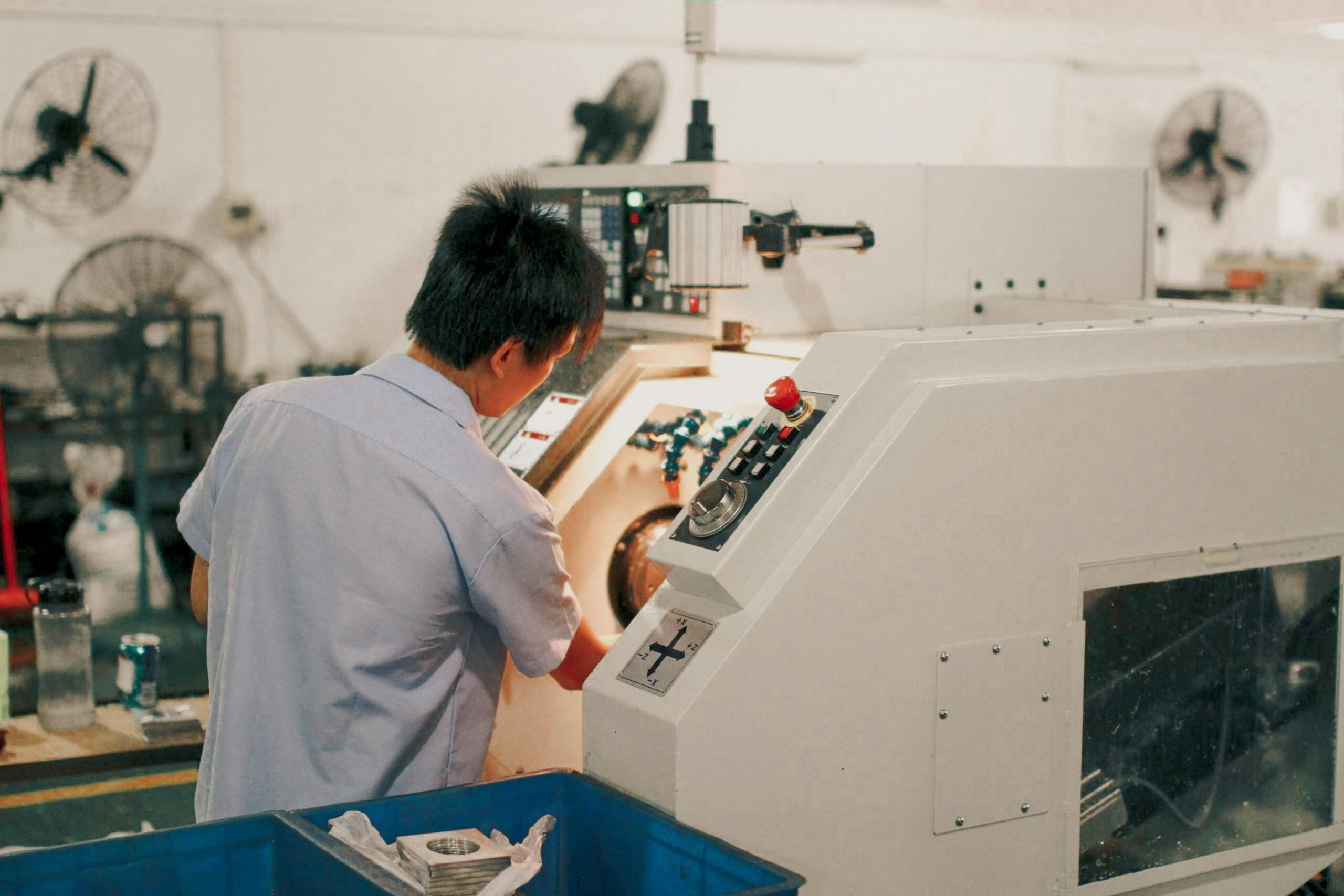
Roller kiln technology is a cornerstone of modern ceramic and industrial manufacturing. It enables fast, continuous firing of products with high consistency, precise temperature control, and improved energy efficiency compared to traditional kiln systems.
This guide explains how roller kilns work, where they are used, their advantages, limitations, and practical considerations for manufacturers.
What Is a Roller Kiln?
A roller kiln is a continuous firing system where products move through a heated chamber on rotating ceramic rollers. Unlike batch kilns, which process items in fixed loads, roller kilns operate in a steady flow, making them ideal for high-volume production.
Key Characteristics
- Continuous operation
- Conveyor-style movement using rollers
- Controlled temperature zones
- High production efficiency
Expert Insight
Roller kilns transformed ceramic manufacturing by reducing firing time from hours or days to minutes in some processes.
How Roller Kilns Work
The system is divided into multiple temperature zones, each designed for a specific stage of the firing process.
1. Preheating Zone
- Gradual temperature increase
- Removes residual moisture
- Prevents thermal shock
2. Firing Zone
- Peak temperature reached
- Material sintering or vitrification occurs
- Critical for product strength and finish
3. Cooling Zone
- Controlled cooling
- Prevents cracking and deformation
- Stabilizes final product
Roller Mechanism
- Heat-resistant ceramic rollers rotate continuously
- Carry products through the kiln
- Maintain consistent movement speed
Practical Insight
Uniform speed and temperature control are essential to ensure consistent product quality across batches.
Key Applications of Roller Kiln Technology
1. Ceramic Tile Manufacturing
One of the most common uses.
Products
- Floor tiles
- Wall tiles
- Porcelain tiles
Benefits
- High production speed
- Consistent tile quality
- Uniform color and finish
2. Sanitary Ware
Used for items like:
- Toilets
- Sinks
- Wash basins
Expert Insight
Roller kilns improve dimensional accuracy and surface finish in sanitary products.
3. Advanced Ceramics
Includes technical and industrial ceramics.
Examples
- Electronic components
- Insulators
- Heat-resistant materials
4. Glass and Metallurgical Processes
In some configurations, roller kilns are used for:
- Glass tempering
- Metal heat treatment
- Specialized coatings
Advantages of Roller Kilns
1. High Production Efficiency
- Continuous operation
- Reduced downtime
- Faster processing
2. Energy Efficiency
- Optimized heat usage
- Reduced fuel consumption
- Lower operational cost over time
3. Consistent Product Quality
- Uniform temperature distribution
- Controlled firing cycles
- Reduced defects
4. Automation Compatibility
- Easily integrated with automated systems
- Supports modern manufacturing lines
Insider Insight
Automation in roller kilns reduces human error and increases production reliability.
Limitations of Roller Kilns
1. High Initial Investment
- Equipment cost is significant
- Installation requires specialized setup
2. Limited Product Size
- Best suited for flat or uniformly shaped items
- Not ideal for large or irregular products
3. Maintenance Requirements
- Rollers wear out over time
- Requires regular inspection and replacement
4. Process Sensitivity
- Small temperature variations can affect quality
- Requires skilled monitoring
Materials Used in Roller Kiln Construction
1. Refractory Materials
- Heat-resistant lining
- Maintains internal temperature
- Reduces heat loss
2. Ceramic Rollers
- High thermal resistance
- Strong mechanical stability
- Smooth rotation
3. Insulation Materials
- Improve energy efficiency
- Reduce external heat loss
Expert Insight
High-quality refractory and roller materials directly impact kiln lifespan and performance.
Temperature Control and Automation
Modern roller kilns use advanced control systems.
Features
- Programmable temperature profiles
- Sensors for real-time monitoring
- Automated speed control
Practical Insight
Precise control systems are essential for maintaining consistent firing results.
Maintenance Best Practices
Regular Inspection
- Check roller alignment
- Monitor wear and tear
Cleaning
- Remove debris and residue
- Prevent blockage or uneven movement
Calibration
- Ensure accurate temperature readings
- Adjust control systems regularly
Insider Tip
Preventive maintenance is more cost-effective than emergency repairs in continuous systems.
Energy Efficiency Considerations
Energy cost is a major factor in kiln operation.
Ways to Improve Efficiency
- Use high-quality insulation
- Optimize firing cycles
- Recover waste heat
- Maintain proper sealing
Expert Insight
Energy optimization can significantly reduce long-term operational costs.
Comparison: Roller Kiln vs Traditional Kilns
| Feature | Roller Kiln | Traditional Kiln |
|---|---|---|
| Operation | Continuous | Batch |
| Speed | High | Slower |
| Efficiency | Higher | Lower |
| Flexibility | Limited shapes | More flexible |
| Cost | Higher initial | Lower initial |
Who Should Use Roller Kiln Technology?
Ideal for:
- Large-scale ceramic manufacturers
- Tile production companies
- Industrial material producers
- Automated production facilities
Not ideal for:
- Small-scale or custom production
- Irregular or large products
Future Trends in Roller Kiln Technology
Automation and AI Integration
- Predictive maintenance
- Smart temperature control
Energy Optimization
- Renewable energy integration
- Improved insulation materials
Advanced Materials Processing
- New ceramic composites
- High-performance industrial applications
Insider Insight
Future developments will focus on reducing energy consumption while increasing precision and automation.
Final Thoughts
Roller kiln technology has redefined modern ceramic manufacturing by enabling faster production, better consistency, and improved efficiency. While it requires significant investment and technical expertise, the long-term benefits make it a preferred choice for industrial-scale operations.
Quick Checklist
- Continuous production capability
- High energy efficiency
- Consistent temperature control
- Requires regular maintenance
- Best for flat, uniform products
- Suitable for large-scale manufacturing
Conclusion
Roller kilns are a key technology in today’s manufacturing environment, especially in ceramics and industrial materials. Their ability to combine speed, precision, and efficiency makes them essential for competitive production.
For businesses aiming to scale operations and maintain consistent quality, roller kiln systems offer a strong long-term solution when properly managed and maintained.