

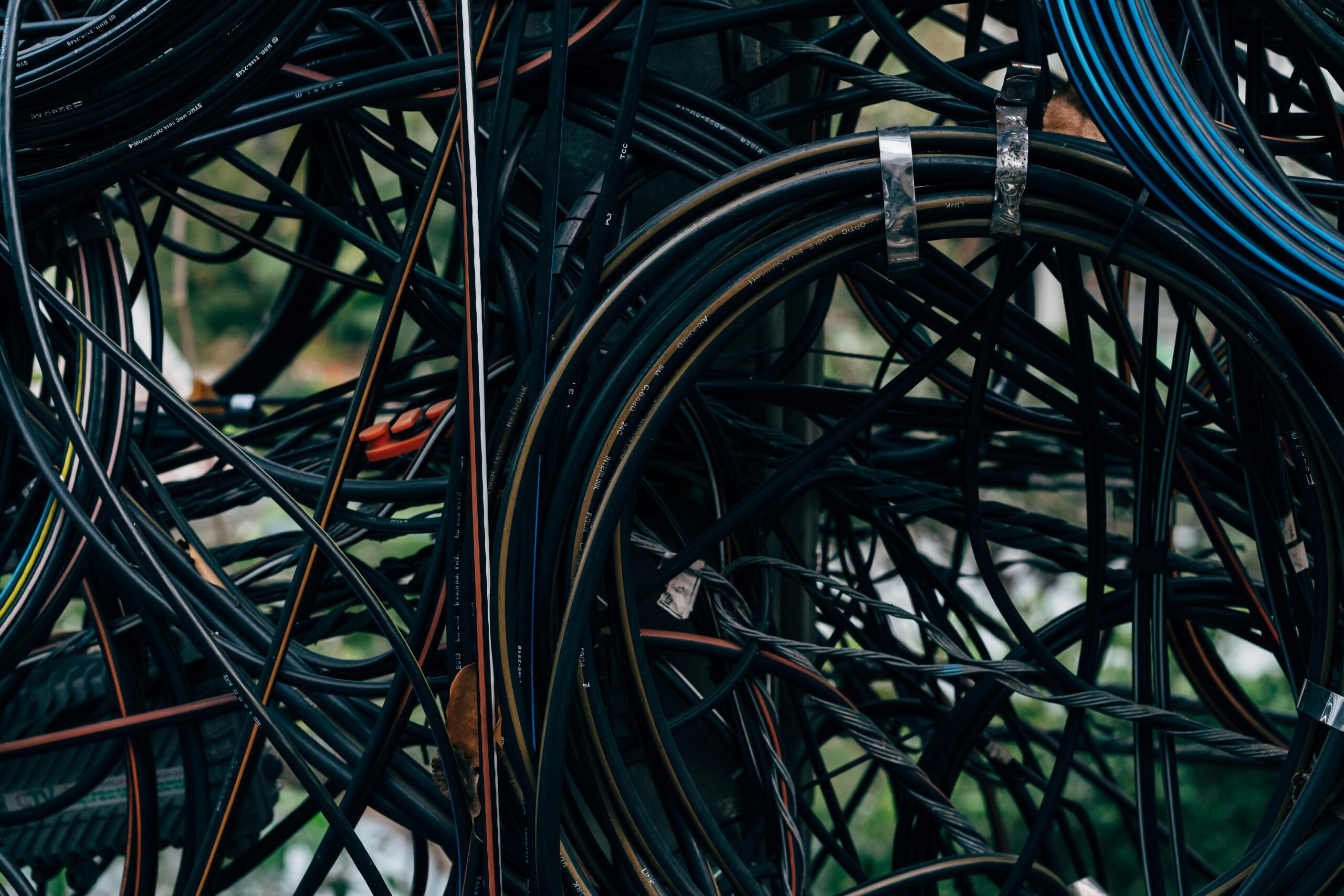
When it comes to electrical wiring, making the right choice isn’t just about cost—it’s about safety, durability, and long-term performance. One option you’ve likely come across is BX cable, also known as armored cable. While it’s been around for decades, many homeowners, electricians, and contractors still have questions about when and why to use it.
This in-depth guide explains everything you need to know before buying BX cable and wire—from how it works to where it’s best used, how it compares to alternatives, and what to look for when making a purchase.
What Is BX Cable?
BX cable is a type of armored electrical cable that contains insulated conductors protected by a flexible metal sheath. The term “BX” is commonly used to describe older armored cable, although modern versions are often referred to as AC (Armored Cable) or MC (Metal-Clad Cable).
Key Components of BX Cable
- Conductors (wires): Usually copper wires that carry electricity
- Insulation: Protects each conductor from short circuits
- Metal armor: A flexible spiral metal sheath that surrounds the wires
- Bonding strip or wire: Helps with grounding (in modern AC cable)
This metal armor is what makes BX cable stand out—it provides an extra layer of protection against physical damage.
BX vs AC vs MC Cable: Understanding the Differences
Before buying, it’s important to understand that “BX” is often used loosely. Here’s how the different types compare:
BX Cable (Legacy Term)
- Older form of armored cable
- May lack proper grounding
- Not commonly used in new installations
AC Cable (Modern BX)
- Includes a bonding strip for grounding
- Approved for residential and commercial use
- Flexible and easy to install
MC Cable (Metal-Clad)
- Contains a dedicated ground wire
- Often used in commercial and industrial settings
- More versatile than AC cable
Which One Should You Choose?
- For residential use: AC cable is usually sufficient
- For commercial projects: MC cable is often preferred
- Avoid old BX cable: It may not meet modern electrical codes
Why Choose BX Cable?
BX cable offers several advantages that make it a strong option in many situations.
1. Superior Protection
The metal armor protects the wires from:
- Physical damage
- Rodents
- Moisture (to some extent)
This makes it ideal for areas where wires could be exposed.
2. Fire Resistance
The metal sheath reduces the risk of fire spreading compared to plastic-sheathed cables.
3. Durability
BX cable is built to last. It performs well in:
- Basements
- Garages
- Workshops
- Commercial buildings
4. No Need for Conduit
Unlike some wiring systems, BX cable doesn’t require an external conduit. This can save time and labor costs during installation.
When Should You Use BX Cable?
BX cable is not always necessary, but in certain situations, it’s the best choice.
Ideal Use Cases
- Exposed areas: Where wires are not hidden behind walls
- High-traffic zones: Places where cables could be bumped or damaged
- Renovation projects: Especially when upgrading older wiring
- Commercial spaces: Offices, retail stores, and warehouses
Situations Where It May Not Be Needed
- Inside finished walls (where NM cable is sufficient)
- Low-risk residential areas
- Budget-sensitive projects
BX Cable vs NM Cable (Romex)
Many buyers compare BX cable with NM cable (commonly known as Romex). Here’s how they differ:
BX Cable
- Metal armored
- More durable
- Higher cost
- Better for exposed or risky environments
NM Cable (Romex)
- Plastic-sheathed
- Easier to install
- Lower cost
- Best for standard residential wiring
Which One Is Better?
It depends on your needs:
- Choose BX cable for durability and safety
- Choose NM cable for cost-effective indoor wiring
Key Factors to Consider Before Buying BX Cable
Buying the right BX cable isn’t just about picking the first option you see. Here are the most important factors to evaluate:
1. Wire Gauge
The thickness of the wire determines how much current it can safely carry.
- 14 AWG: Lighting circuits
- 12 AWG: General outlets
- 10 AWG: Heavy appliances
Always match the wire gauge to your electrical load.
2. Number of Conductors
BX cables come with different conductor configurations:
- 2-conductor: Standard circuits
- 3-conductor: For switches and multi-way setups
Choose based on your wiring needs.
3. Cable Length
BX cable is typically sold in rolls. Measure your project carefully to avoid:
- Buying too little (causes delays)
- Buying too much (wastes money)
4. Indoor vs Outdoor Use
Not all BX cables are suitable for outdoor use. If you need outdoor wiring:
- Look for weather-resistant MC cable
- Check for proper ratings and certifications
5. Code Compliance
Always ensure the cable meets local electrical codes.
In many regions:
- Older BX cable is not allowed
- Grounding is mandatory
- Certain installations require MC cable
Consult a licensed electrician if unsure.
Installation Basics: What You Should Know
Even if you’re not installing it yourself, understanding the basics helps you make better decisions.
Tools Required
- Cable cutter
- Armor stripping tool
- Screwdrivers
- Connectors and fittings
Important Tips
- Avoid bending the cable too sharply
- Use proper connectors for terminations
- Ensure grounding is correctly installed
- Follow local electrical codes
DIY or Hire a Professional?
- DIY: Only if you have experience
- Professional: Recommended for most installations
Electrical work can be dangerous if done incorrectly.
Common Mistakes to Avoid
Many buyers and installers make costly mistakes when dealing with BX cable.
1. Using Old BX Cable
Older BX cable may lack proper grounding and fail safety standards.
2. Choosing the Wrong Gauge
Using undersized wire can lead to overheating and fire risks.
3. Ignoring Local Codes
Electrical codes exist for safety. Ignoring them can lead to fines or hazards.
4. Poor Installation
Incorrect cutting or stripping can damage the cable and reduce its effectiveness.
Cost Considerations
BX cable is generally more expensive than NM cable, but the added protection can justify the cost.
Average Price Factors
- Wire gauge
- Cable length
- Type (AC vs MC)
- Brand quality
Is It Worth the Investment?
If safety and durability matter, then yes. BX cable is a long-term investment that can prevent costly repairs and risks.
Safety and Compliance: Why It Matters
Electrical safety isn’t something to compromise on. It helps reduce:
- Electrical fires
- Short circuits
- Physical damage to wiring
However, it’s only effective if installed correctly and used in the right situations.
How to Choose the Right BX Cable for Your Project
Here’s a simple decision guide:
1: Identify Your Application
- Residential or commercial?
- Indoor or outdoor?
2: Determine Load Requirements
- Check amperage needs
- Choose correct wire gauge
3: Check Local Codes
- Verify compliance requirements
4: Compare AC vs MC
- AC for basic use
- MC for advanced applications
5: Buy from a Trusted Supplier
- Ensure quality and certification
Frequently Asked Questions (FAQs)
Is BX cable still used today?
Yes, but mostly in its modern form (AC cable). Older BX is largely outdated.
Can BX cable be used outdoors?
Standard BX cable is not suitable for outdoor use. Use weather-rated MC cable instead.
Is BX cable better than Romex?
It depends. BX is more durable and safer in exposed areas, while Romex is cheaper and easier to install.
Do I need a ground wire with BX cable?
Modern AC cable includes a bonding strip for grounding. MC cable has a dedicated ground wire.
Final Thoughts
It remains a reliable and durable choice for many electrical applications. While it may cost more than standard wiring options, its added protection, fire resistance, and longevity make it a smart investment in the right situations.
Before you buy, focus on your specific needs—consider the environment, load requirements, and local regulations. Choosing the right type of it can make a significant difference in both safety and performance.
If you’re unsure, consulting a licensed electrician is always the safest move. Electrical systems are not an area where guesswork pays off.
Bottom Line
BX cable isn’t just another wiring option—it’s a specialized solution designed for safety and durability. When used correctly, it offers peace of mind and long-term reliability that cheaper alternatives simply can’t match.
Take the time to choose wisely, and your electrical system will thank you for years to come.
[…] the answer depends on how you want to use the JSON […]